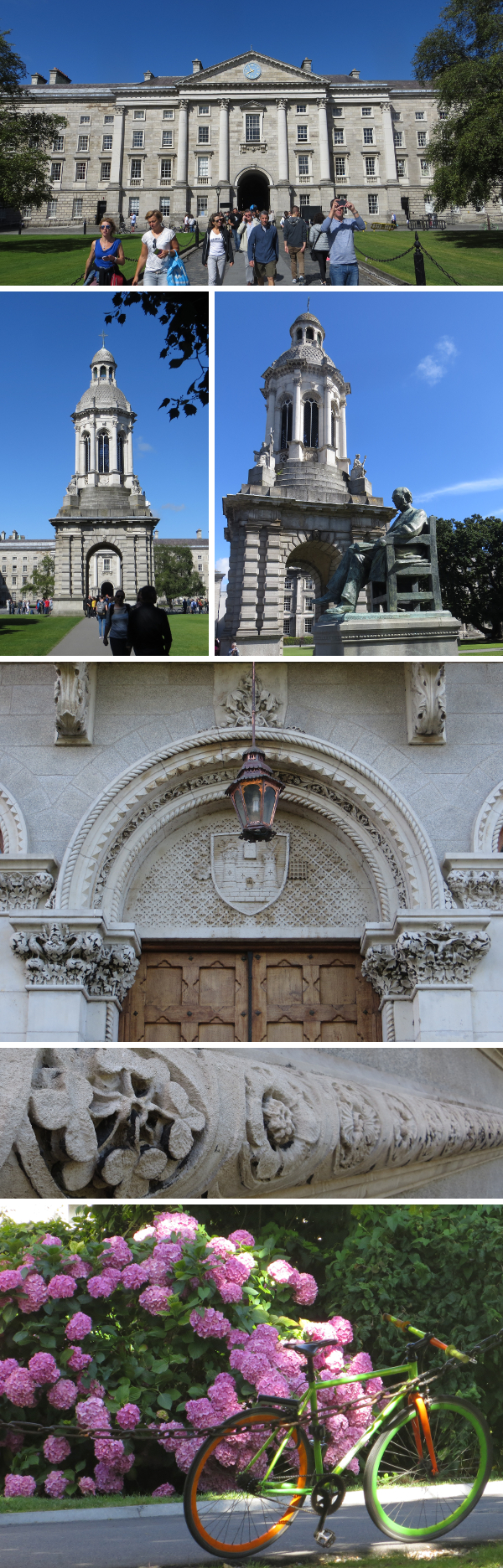
A Day in… GLOUCESTER


Gloucester liegt am Cape Ann nördlich von Boston und in der Gegend, wo ich zwei – oder waren es sogar drei? – komplette Sommer verbracht habe. Dem AuPair-Jahr und den Semesterferien sei Dank. Es ist ein Ort, der mal vom Fischfang geprägt war und das Fishermen’s Memorial, das der fast 6000 Seeleute gedenkt, die im Laufe der Jahrhunderte nicht wieder von der Arbeit nach Hause gekommen sind, ist der Anziehungspunkt an der Uferpromenade. Und das Denkmal für die Frauen der Fischer, die den Laden zuhause über Wochen und Monate am Laufen gehalten haben und eben ggf. dann allein da saßen, findet sich wenige Meter weiter.

Gloucester is located on Cape Ann north of Boston and it’s the area where I have spent two – or was it even three? – whole summers. Thanks to being an AuPair and long summer breaks. It’s a town that was shaped and characterized by fishing for a long time. The Fishermen’s Memorial on the waterfront pays tribute to the almost 6,000 fishermen who were lost at sea over the years. Closeby is the memorial to the wives of the fishermen who kept things up and runnig at home over weeks and months – and possibly ending up going it alone for good.

Unschwer zu erkennen: es war ein weiterer wunderbarer Tag. Sonne, eine schöne Brise – ich bin vollkommen falsch ausgestattet hier angereist, ohne ein einziges T-Shirt. Nicht, dass das in den ersten drei Tagen ohne meinen Koffer eine Relevanz gehabt hätte… Jedenfalls ging es mir, wie es mir an solchen Tagen immer geht: keine Lust auf Museen. Und auf der Uferpromenade waren hunderte Schmetterlinge zugange:

It’s easy to see: it was a gorgeous day. Sun and a nice breeze – I got here with all the wrong clothes, I didn’t bring a single t-shirt. Not that it would have done me any good anyway, seeing as I was waiting for my suitcase to arrive for the first three days of my stay… Anyhow, it happened as it always happens to me on days like these: I was not interested in any museums. And there were hundreds of butterflies on the flower beds of at the waterfront:

Und ich habe ja auch hier nie wirklich den Touristen gespielt: hier wurden Einkäufe getätigt und der Dunkin Donuts aufgesucht, vielleicht noch der Baumarkt – das war es dann aber auch. So wirklich einladend war es vor 23 Jahren auch wieder nicht, alles ziemlich auf dem Weg nach unten. Das sieht jetzt anders aus.

And I’ve never actually been a tourist here: I came here for grocery shopping and one or the other chocolate glazed donut, maybe the Building Center – but that was about it. And it wasn’t really all that exciting to linger 23 years ago, it had a dilapidated feel to it. That has changed quite a lot.

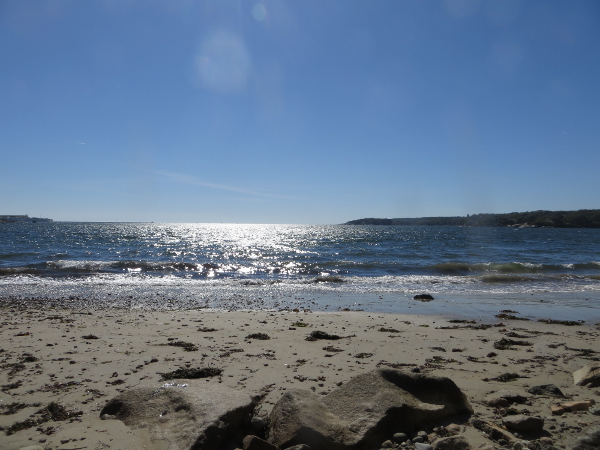
Die Main Street ist herausgeputzt mit schönen Geschäften (inklusive Buchläden), allerdings maßlos überteuert. Oft wirklich schöne Dinge, aber zu teuer, manchmal der allerletzte Mist, der so teuer ist, dass ich teilweise halb in Lachkrämpfe verfallen bin. Aber egal, es gab ein Mittagessen am Meer – und das ist fast so geendet, dass ich gar nicht mehr weitergekommen bin!

Main Street has really been gentrified, featuring nice stores (and book shops, too!), but very overpriced. Sometimes they carry really nice products which are overpriced, sometimes it’s real crap which is so incredibly overpriced that it’s almost hilarious and you wonder: who are they trying to fool? But anyhow, I got to have lunch on the beach and that was almost the end to that trip because I didn’t want to move on.
Wie kaum etwas in diesem Urlaub ging es auch dieses Mal nicht, ohne einen Freund aus alten Tagen zu treffen – der sich wahrscheinlich immer noch wundert, wie ungeschickt man auch nach wochenlangem Training noch mit einem Motorboot umgehen kann. Wir haben uns auf jeden Fall gut unterhalten und er hat mich noch zu seinem ehemaligen Lehrer, dem sicher bald 90-jährigen Paul gebracht, der seine jahrzehntelange Sammlung an Tauchuntensilien und vielem mehr im „Diving Locker Museum“ ausstellt. Ein ziemlich abgefahrener Ort – ich war zu geflasht, um ein Foto zu machen (aber hier gibt’s ein Video).

This vacation is characterized by meeting friends and family so this daytrip featured a „coffee date“ as well. I met a friend who probably wonders to this day how anyone could still be so inadequate at using a motor boat after weeks and weeks of practice. Anyhow, we had a nice chat and he then took me around town a little and we went to see his former 5th grade teacher Paul, who must have been close to 90 years old. He has collected diving paraphernalia and other things for decades and exhibits them in the „Diving Locker Museum“. I was too stunned to take a picture (but you can see a video here).

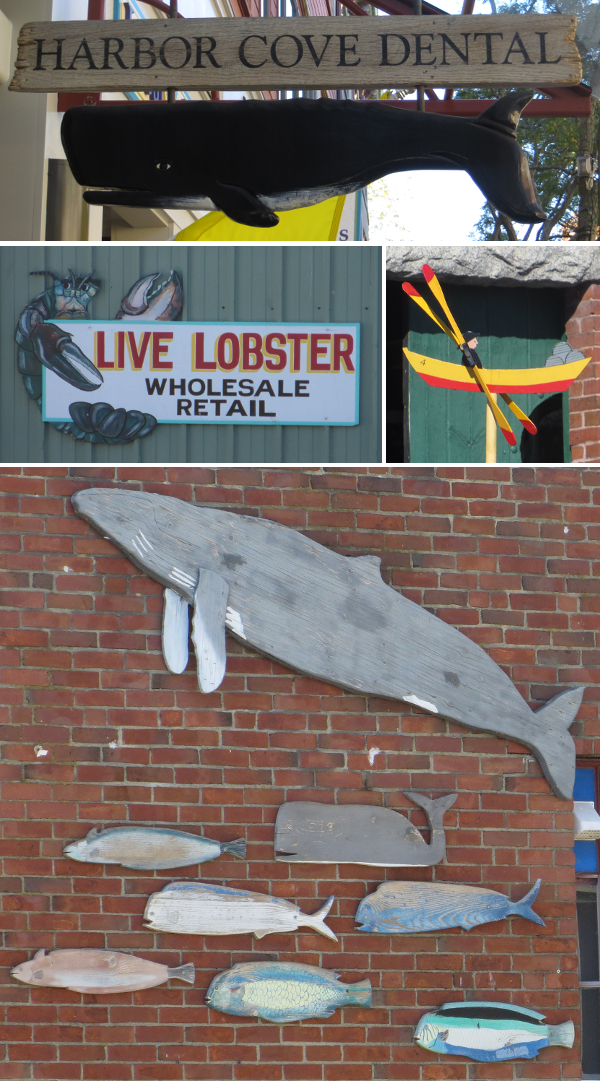
Dass das Leben hier lange vom Fisch- und Hummerfang bestimmt wurde, kann man noch an vielen Ecken sehen, ob nun an der Fabrik zur Produktion von Eis, den nun größtenteils ungenutzten Hallen zur Weiterverarbeitung des Fangs oder den vielen Hinweisen, die sich noch (oder neuerdings!) an Hauswänden und anderswo finden.

That fishing and lobster trapping was the focus of life here for a long time can still be seen everywhere: the large ice factory, the huge, now idle buildings for the processing of the catch or the many paintings etc. that you can still (or recently added!) see on house walls.
Und dann bin ich doch noch in ein Museum, ein kleines: Maritime Gloucester. Durchaus in Gänze sehenswert, auch wenn ich unerwarteterweise die meiste Zeit fasziniert vor den Außenaquarien verbracht habe – als einziger Besucher. Warum auch immer machten die anderen die Tür auf, guckten runter in den Hof und gingen wieder rein. Dabei war es das erste Museum, in dem man aufgefordert wurde, die Krebse, Muscheln und anderes Getier aus dem Wasser und unter die Lupe zu nehmen.

And then I finally did go to a museum, a small one: Maritime Gloucester. The whole of it worth visiting even though I spent the majority of the time in the outdoor section with five aquariums. For some reason I was the only visitor interested in that part, all others just opened the door, glanced down into the yard and returned inside. It was the first museum where I was asked to take the hermit crabs, clams and other animals out of the water to have a closer look at them.

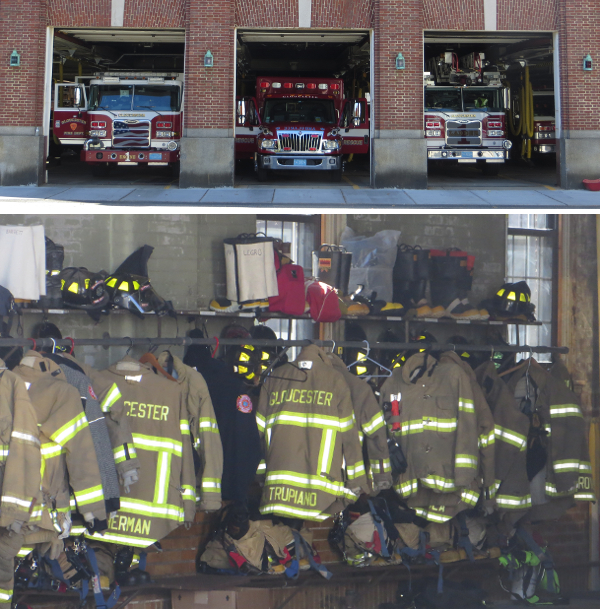
Dann wurde es langsam Zeit für den Rückweg. Ich war mit dem Zug gekommen (eine gute Stunde von Bostons North Station) und habe auf dem Rückweg zum Bahnhof noch ein paar Eindrücke eingefangen:

After that I had to start heading back. I had come up on the commuter rail from Boston’s North Station (which took a little more than an hour) and on my way back to the train station, I continued to take pictures left and right:

Auf bald!

See you soon!

Barbara

A Day at… THE TOPSFIELD FAIR


Schon in Kindertagen hat sich bei mir der Wunsch entwickelt, mal bei einer „Landwirtschaftsschau“ dabei zu sein – wohl einfach zu viel „Der Doktor und das liebe Vieh“ geguckt. Wettbewerbe um die beste Marmelade, die Prämierung von Preisbullen, das Vorführen der Künste von Hütehunden, der schönste Hund am Platz usw. Dazu ein bisschen Kirmes. In Topsfield, Massachusetts gibt es einen solchen Anlass seit 1818.

Since the days when I was a child I have wanted to go to an agricultural fair – it must have been because I loved to see Mrs Hall win in „All Creatures Great and Small“. Jam making competitions, the showcasing of awarded cattle or of the skills of sheepdogs, the most beautiful dog in town etc. And then a bit of a fun fair, too. Something like this has been around in Topsfield, Massachusetts since 1818.

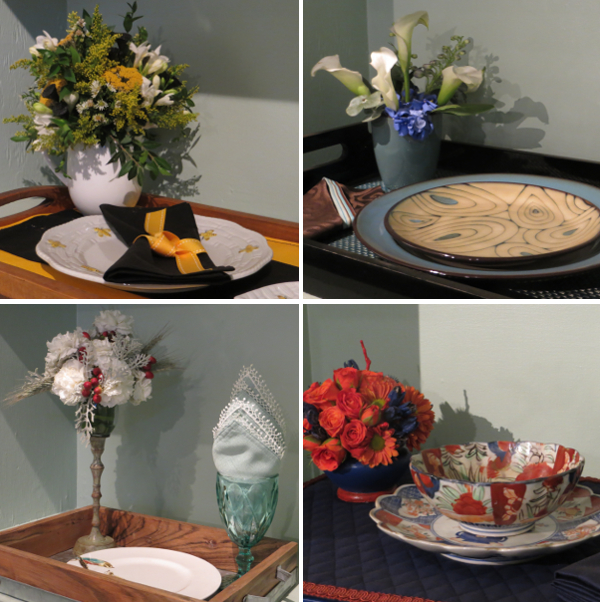
Meine Gastmutter brachte mich darauf – ich bin mal wieder für zwei Wochen in und um Boston. Ihr Garden Club plante einen Ausflug, um sich speziell die Blumenausstellung anzusehen. Da war alles dabei von Mustergärten, Blumenarrangements zu bestimmten Themen (unten z.B. „Frühstückstablett“), Miniaturgärten, die Wahl der schönsten Dahlie und vieles mehr.

My host mother has the idea – for the first time in more than five years I’m finally back in Boston. Her Garden Club had planned to see the flower show at the fair which included all kinds of different things: show gardens, flower arrangements to meet different themes („breakfast tray“ being one of them, see below), miniature gardens, an award for the most beautiful dahlia and much more.

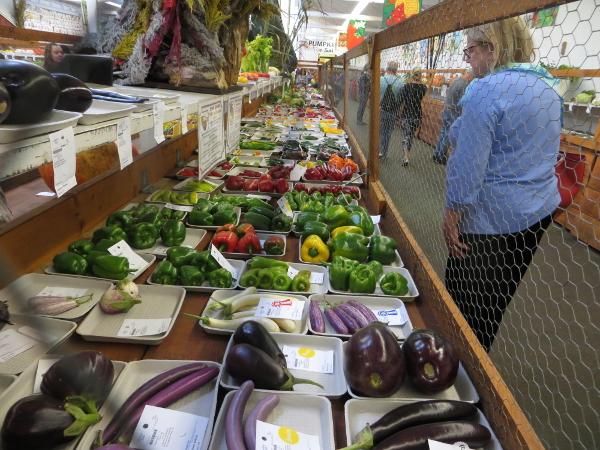
Und dann das ganze Obst und Gemüse… unzählige Wettbewerbe und besonders bei Gemüse vieles, was ich noch nie gesehen habe. Der größte Kürbis, ein wahrer Koloss. Ich habe irgendwas von 2.500 (amerikanischen) Pfund im Kopf, das ist deutlich mehr als eine Tonne. Ganz schön viel Kürbissuppe. Aber ob der überhaupt noch schmecken würde? Wir werden es nie wissen.

And then all the fruit and vegetables… a crazy number of competitions and especially so many vegetables that I had never seen or even heard of before. The largest pumpkin, a real colossus. I seem to remember it weighed more than 2,500 lbs (decidedly more than a ton). Quite a lot of pumpkin soup. I wonder if that would even taste good? We will never know.

Dann haben wir das Federvieh besucht und auch hier: was es alles gibt! Und weltweit betrachtet war es sicher nur eine kleine Auswahl an Hühnern und Enten – aber die haben mich schon in Erstaunen versetzt (wenn auch wiederum nicht so sehr, wie die Eltern der Dreijährigen, die mehrfach mit voller Wucht auf das Plastikdach der gerade schlüpfenden Küken eindreschte und die unbeteiligt zusahen – wo sind die Helikoptereltern, wenn mal ein Durchgreifen angesagt wäre?).

We moved on to the poultry barn and it was the same thing: the things that you don’t know! And looking at it from a global perspective, I’m pretty sure we only saw a fraction of what’s out there when it comes to chickens and ducks – and still I was amazed (though thinking about it, maybe I was not quite as amazed as I was when I realized that the parents of the three-year old, who kept hammering down on the plastic roof of the chicken hatch box, were standing idly by – where are the helicopter parents when finally they are needed?).

Es gab leider keine größeren Mengen an Schweinen und Vieh zu bewundern – diese Zeiten sind vorbei. Wo sollten sie auch herkommen… der Großraum Boston ist jetzt nicht gerade für seine Vielzahl an Farmen bekannt. Ein kleiner Buchtipp zwischendurch: The good good pig von Sy Montgomery. Da lernt man Schweine lieben. Doch zurück nach Topsfield: es gab ein Schweinerennen und das war, ich gebe es zu, total witzig:

Unfortunately, there were no larger numbers of hogs and cattle to look at – these times are over. Where should they come from… greater Boston is not exactly known for a large number of farms. But this reminds me: if you’d like to read a great book on raising a pig, I recommend Sy Montgomery’s The good good pig. You will fall in love. But anyhow, back to Topsfield. There was Swifty Swine Racing and I admit it: it was a lot of fun:

Vollkommen unerwartet gab es auch eine Weihnachtsbaumausstellung – nicht geschmückte, sondern einfach die verschiedenen Tannen-, Fichten- und Kiefernarten, die sich wohl besonders gut eignen. Resultat: ich bin mit meiner üblichen Nordmanntante sehr zufrieden!

I never expected it to be part of something like this fair but there was also a Christmas Tree Show – not decorated ones but just the different kinds of fir, pine and spruce trees that are popular as Christmas trees. Result: I am very happy with my usual Caucasian fir!

Zu guter Letzt gab’s dann auch noch was für mein Bastler-/Handarbeitsherz: eine Ausstellung von unfassbar schönen und detailverliebten Quilts. Die hingen alle von der Decke und waren etwas schwer zu fotografieren (man stelle sich die Bettwäscheabteilung bei IKEA vor). Ich bin jedes Mal total fassungslos, wie man solche Großprojekte angehen und auch noch zuende bringen kann.

Last but not least we went to see the arts and crafts hall: an exibition of incredibly beautiful quilts, made with so much love of detail. They were hanging from the ceiling and were a little hard to capture (imagine the linen department at IKEA). Works like these stun me every time, for the sheer dedication that went into them.

Es war ein schöner Tag im Indian Summer (schon jetzt ist klar: ich habe einen Riesenfehler gemacht, ohne T-Shirts anzureisen), ich habe viel gelernt (hab eine Frau mit viel Holz vor der Hütte im Dirndl an der Kasse und du kannst „German Fries“ verkaufen, obwohl es sowas gar nicht gibt) und mich bestens amüsiert – aber es war zum großen Teil einfach eine Kirmes mit den entsprechenden Fahrgeschäften und Fressmeilen… Aber fast hätte ich noch ein wie für mich gemachtes Nummernschild „eingesteckt“:

It was a gorgeous Indian Summer day (I have already realized that I’ve made a major mistake: I did not bring any short sleeved shirts), I learned a lot (employ a well-endowed woman wearing a dirndl at the cash register and you can sell „German Fries“ even though there isn’t such a thing) and had a great time – but largely, it was more of a funfair with the rides and legions of food stalls… But I almost „pocketed“ a license plate that seemed to have been made just for me:

Bald mehr auf diesem Kanal – Grüße aus Massachusetts!

More to come soonish – greetings from Massachusetts!

Barbara
A Day in… DUBLIN!


Im Anschluss an einen dienstlichen Termin habe ich einen Tag in Dublin verbracht – und die Stadt hat alles daran gesetzt, mich zu überzeugen! Sogar die Sonne war mit im Spiel, allerdings hatte ich sie auch herausgefordert: Schirm dabei, Sonnenbrille, Sonnencreme und -hut aber bewusst zuhause gelassen. Ich weiß, wie man das Schicksal in die richtige Richtung drückt 😉

I had come to Dublin on business but decided to add a day to explore – and the city did all in its might to be loveable. Even the sun was out to greet me, but then I had challenged the weathergod: brought an umbrella but left sunglasses, suntan lotion and a hat at home. I know how to manipulate fate 😉

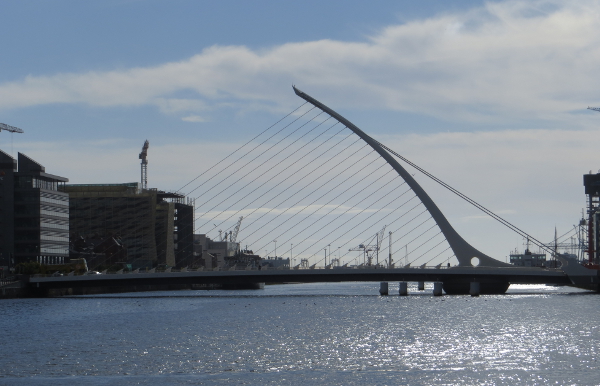
Wir hatten eine private Unterkunft östlich des Zentrums, im Bereich der Grand Canal Docks gefunden (mehr oder weniger Teil des Google-Geländes) und noch vor 9 Uhr habe ich mich Richtung Norden Richtung River Liffey aufgemacht, wo es viele interessante Neubauten zu bewundern gab und solche, die noch im Werden sind (siehe oben), außerdem Möwengeschrei und glitzerndes Wasser, was ein sofortiges Urlaubsgefühl unterstützt.

We had found private accommodation to the East of the center in the Grand Canal Docks area (more or less part of the Google premises, it seemed) and I started out the day walking North towards the River Liffey a little before 9 a.m. There were loads of interesting new buildings to look at and some that are still getting there (see above), and then the cries of the seagulls and the sun making the water and the buildings sparkle – an instant feeling of vacation.

In der Touristeninformation hatte ich Broschüren für selbstgeführte Rundgänge gefunden und mich morgens spontan für den nördlichen Teil entschieden – der mich dann aber nicht wirklich gefesselt hat, so dass ich relativ schnell wieder zurück südlich des Flusses unterwegs war. Allerdings nicht ohne für mich festgehalten zu haben, dass das EPIC – Irish Emigration Museum den ersten Platz auf der to-do-Liste bei einem Regentag haben wird.

At the tourist office I had found a number of leaflets with self-guided tours and that mornng I spontaneously decided to do one north of the river. Alas, it somehow didn’t manage to keep my attention so that I crossed one of the many bridges again soon and continued my explorations South of the river. But I took a mental note of the EPIC – The Irish Emigration Museum: top 1 spot on a rainy day.

Ich sag’s sicherheitshalber schon mal: hier kommen noch ganz viele Fotos. Es mag nur ein Tag gewesen sein, aber ich habe fotografiert, bis der Akku leer war. Südlich der Liffey habe ich zuerst den Campus des 1592 gegründeten Trinity College angesteuert. Man kann sich das als ruhig und beschaulich vorstellen und vielleicht ist es das auch manchmal – aber ganz offenbar nicht an einem Samstag im Juli: Horden von Touristen und ganze Schulklassen aus so ziemlich allen Ländern Europas. Doch die meisten schafften es gerade mal bis zum Campanile, weiter drin wurde es ruhiger.

Just so you know: this post is extremely picture-heavy. It may have been only a day but I took pictures until the battery pack was dead. South of the Liffey again I headed for the campus of Trinity College, founded in 1592. You may envision it as a quiet and contemplative place and maybe it really is sometimes. But apparently not on a Saturday in July: hordes of tourists and large groups of students from all over Europe. But most of them only made it to the campanile – further in it grew much quieter.

Vielleicht stehe ich mit der Meinung ja allein da, aber muss man Fahrradfahrer darauf aufmerksam machen, dass Straßenbahnschienen ein Alptraum sind? Ich denke, das wissen die ganz gut selbst. Ich persönlich fühle mich – wenn – dann eher von den motorisierten Verkehrsteilnehmern zu Manövern gezwungen, die im Beisein von Straßenbahnschienen nicht anzuraten sind… aber auf jeden Fall sind sie zweisprachig, die Schilder – wie alle offiziellen Schilder hier. Ich hätte gesagt, in Gälisch, aber die Iren sagen, es sei Irisch.

Maybe it’s me but is it really necessary to tell cyclists that tram tracks are a nightmare? I think they all know. If at all, I feel pressured into maneuvers not appropriate in the presence of tram tracks by motorized road users… but at least the signs are bi-lingual – like all official signs here. I would have called it Gaelic but apparently the Irish call it Irish.

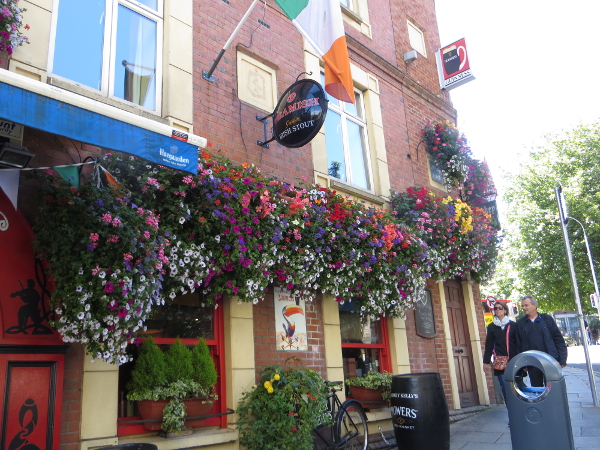
Doch weiter im Stadtrundgang. Nächster Stop: Temple Bar, die Partymeile. Dort waren wir auch schon am frühen Vorabend zum Essen – und das hat dann auch gereicht. Am Samstag jedoch gab es den Temple Bar Food Market mit unzähligen Köstlichkeiten, sowie in einer Querstraße auch einen Handwerkermarkt. Keine Sorge, ich war nur mit Handgepäck angereist, musste mich also zurückhalten! Deswegen habe ich mich auf den oft unglaublichen Blumenschmuck konzentriert:

But let’s move on with the tour of the city. Next Stop: Temple Bar, where you’ll find the highest density of pubs. We’d already been there in the early evening the night before to have dinner – and that was enough. But Saturday also features the Temple Bar Food Market with oh so many wonderful delicacies. Down another road, there was also a craft market. Don’t worry: I was traveling on a carry-on bag only so I had to abstain! Instead, I focused on the often amazing flowers:

Die Stadt war insgesamt voller gut gelaunter Menschen und deutlich voller U2-Fans aus aller Welt, die zum großen Konzert am Abend angereist waren. Und selten habe ich so viele Straßenmusiker erlebt – und die meisten so gut, dass man gerne länger verweilt hätte. Man läuft ständig summend durch die Gegend. Etwas mehr gehört habe ich von CeZar, der vor dem Kaufhaus spielte, das wir zweimal als Treffpukt ausgemacht hatten, spielte. Hört mal rein! Ich bin dann los in nicht einen nicht ganz so geschiegelten Teil Dublins, wo es neben netten Cafés und Charityläden (Secondhand Bücher… ja, ich habe sie alle nach Deutschland gebracht) auch noch nicht gentrifizierte Häuserfronten gibt.

The city was filled to the brim with good-humored people and very obviously U2 fans from all over the world, who had come for the big concert to take place that night. And I can’t recall ever having come across so many buskers – and good ones at that, I could have spent all day just standing there and listened but at least found myself humming all kinds of tunes all day. I heard a little more from CeZar who happened to play outside a store that we used as a meeting point. Check him out here! But I continued to a part of Dublin that isn’t quite as posh, to find nice cafés, charity stores (second hand books… yes, I did manage to bring them all back to Germany) and not yet gentrified houses.

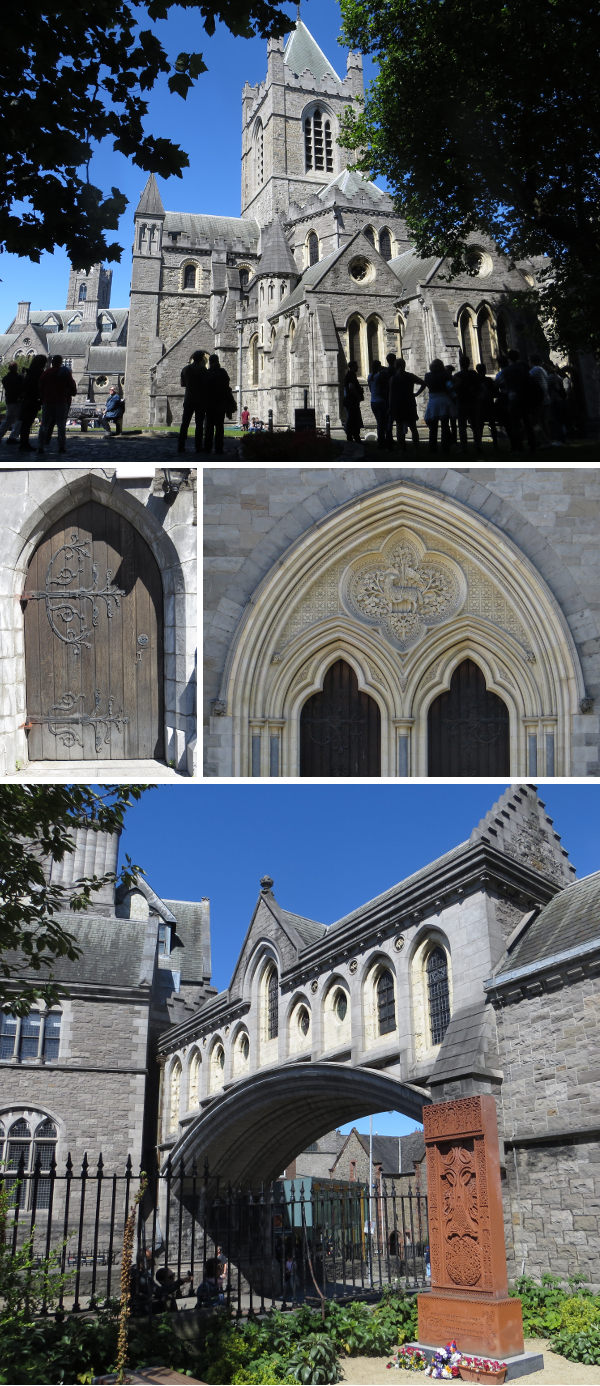
Auf dem Rückweg habe ich noch einen Teil des mittelalterlichen Viertels mitgenommen… auf der Touristenkarte ist es mit „Wikinger-Viertel“ umschrieben. Zu diesem Themenbereich habe ich aber nur das sicher gute Dublinia Museum finden können (in das sich gerade geschätzte drei Schulklassen aufmachten) und habe stattdessen nur die Christ Church Cathedral, ebenfalls einer Invasion von Schulklassen unterworfen, umrundet. Obwohl mich der Turm gereizt hätte – ich war auf der Suche nach einer Möglichkeit zum Blick von oben.

On my way back I had a look at the medieval quarter… on the tourist map it’s called the „Viking quarter“. The only thing I could find that related to Vikings was the Dublinia Museum (which was just being entered by about three groups of students) so I had a walk around Christ Church Cathedral instead – which was also under siege by several student groups. Climbing the tower was tempting, though, as I had been looking for a chance to get a bird’s eye view.

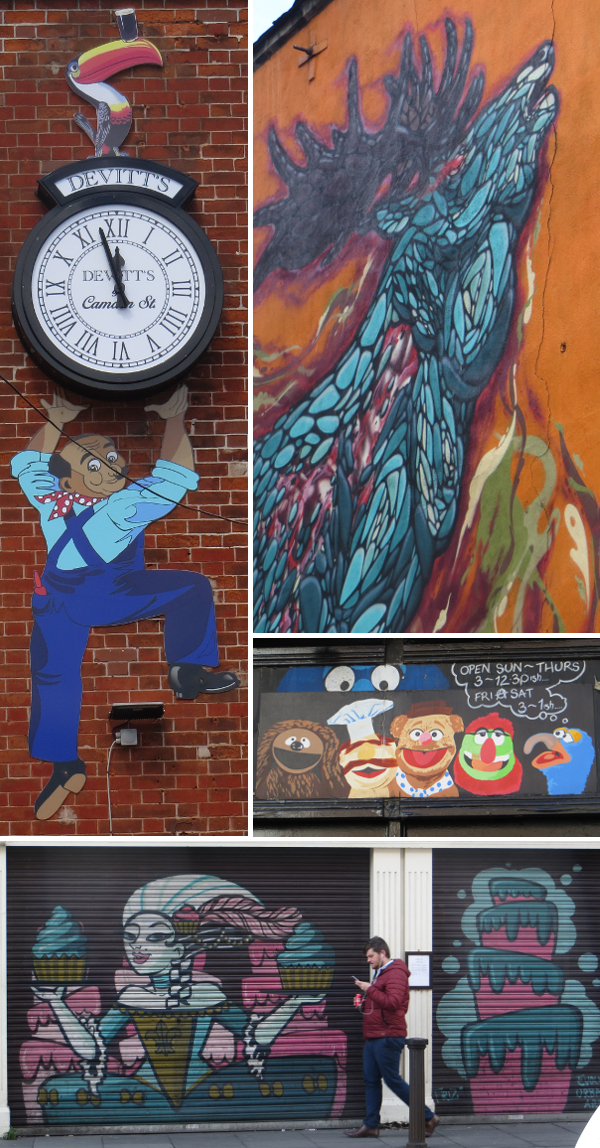
Durch Temple Bar kam ich auch nochmal, in der anderen Richtung, und entdeckte, dass es auch in Dublin Elche gibt:

I came through Temple Bar one last time and found out that there are moose in Dublin, too:

Dann war es Zeit für eine richtige Pause und ich habe mich den vielen Menschen angeschlossen, die das in St. Stephen’s Green machen. Schuhe aus, Jacke ausgebreitet, Buch ausgepackt… und habe ein Nickerchen gemacht. Man wird ganz offensichtlich nicht jünger.

Then it was time for a real break and I did as many people were doing in St. Stephen’s Green: took off my shoes, used my coat for a blanket, got out a book… and dozed off. Well, nobody gets any younger, right?

Und so kam ein wunderbarer Tag in Dublin langsam zu einem Ende… macht Lust auf mehr, Dublin und Irland insgesamt!

And this was how a wonderful day in Dublin came to its end… but I’d love to see more of it and Ireland in general!

Barbara
A couple of days in… SPREEWALD!


Im Januar machte meine Freundin Anna aus Finnland den Vorschlag, eine gemeinsame Urlaubswoche zu planen. Erst ging es um eine Woche wandern, entwickelte sich dann aber zu einer Woche Berlin mit einem Ausflug in den Spreewald, einem UNESCO Biosphärenreservat etwa 80 km südlich von Berlin. In der Hauptstadt ging quasi der komplette erste Tag damit drauf, Sven zu treffen. Auch er gehört zu unserer Gruppe der Austauschstudenten, die wir uns 1998/99 in Lund kennengerlernt haben. An einem regnerischen Tag saßen wir geschlagene achteinhalb Stunden in einem Restaurant und haben gequatscht. Es hätte auch noch weitere acht Stunden so weitergehen können…

It was back in January when my friend Anna from Finland suggested that we go on a one-week vacation together. At first it was about hiking but then evolved into a trip to Berlin, including a couple of days in Spreewald (Spree Forest), a UNESCO biosphere reserve about 80 km South of Berlin. In the capital, however, practically all of the first day was spent meeting Sven. He was also part of our group of exchange students at Lund University who met in 1998/99. On this rainy day we spent eight and a half hours sitting in a restaurant and chatted away. And I think we would have continued for eight more hours if we hadn’t had to think about the early morning train…

Mit dem Zug ging es bis Vetschau, von wo wir mit dem Bus gleich weiter wollten nach Burg – uns aber dann doch entschieden, uns den Ort noch anzusehen. Das ist eine Ansage, denn der nächste Bus kam erst drei Stunden später. Dazu auch gleich die Anmerkung: Spreewald mit ÖPNV ja, aber nur, wenn man die Unterkunft im Zentrum einer Siedlung hat (hatten wir nicht…). Drei Stunden lassen sich in Vetschau schwer totschlagen. Das Zentrum ist wunderbar saniert, aber ich habe es alles in allem als ähnlich tot wie Putbus empfunden. Zu dem Stopp hat uns die Wendisch-Deutsche Doppelkirche bewegt:

We took the train to Vetschau from where we were going to take a connecting bus to Burg – but then decided to wait for the next one and have a look at Vetschau, too. That is saying something as the next bus was going to depart three hours later. A quick note on exploring Spreewald by public transport: yes, but only if you have booked accommodation in the center of a village (we hadn’t…). Three hours to kill in Vetschau is a tough call. The center has been nicely rehabilitated but to me it felt about as dead as Putbus. It was the Wendish-German double church that made us decide to have a closer look at the place:

Die Kirche war erst nur eine „normale“ Kirche der wendischen Bevölkerung und wurde später (1690-93), mit wachsender Größe der deutschen Bevölkerung, um den deutschen Teil ergänzt – verbunden über die gemeinsame Sakristei und der eine Turm wurde auch als ausreichend empfunden. In einem Café haben wir über einem Latte und einer Schillerlocke die Bücher ausgepackt und auf den Bus gewartet. Gegen 17 Uhr hatten wir über diverse Umwege unsere Unterkunft erreicht, wo wir angeblich keine Reservierung hatten, aber dann doch noch unterkamen. Für den nächsten Tag hatten wir uns die 35 km lange Heuschober Fahrradtour ausgeguckt.

The church was at first only a „normal“ church of the Wendish population in the area and was later (1690-93), when the German population had grown, added to with the German part. The two of them are connected by a shared vestry and there’s also only one steeple. We then took out our books and had a lengthy stay at a café where we enjoyed a latte and a „Schillerlocke“ (some pastry). It was about 5 p.m. when we finally made it to our guesthouse where they did not have our reservation but still found room for us. We then sat down to decide on the bike tour for the following day, the 35-km „Ride of the Hayricks“.

Den Bismarck-Turm in Burg haben wir bestiegen, aber die Aussicht war mit Wald und Windmühlen und Kraftwerken in der Ferne nicht sehr abwechslungsreich. Die Radtour hat uns aber großen Spaß gemacht und war größtenteils sehr gut ausgeschildert. Es ging durch Ortschaften, über die Felder, ganz wenig auf Landstraßen – und auch direkt an den Fließen lang:

We climbed the Bismarck Tower in Burg but the view was a bit boring: trees, trees and more trees, windmills and power stations in the distance. The bike ride was a lot of fun, though, and the route was properly marked. I t took us through the villages and fields and only short stretches on the roads – and some of it right next to the flow lines:

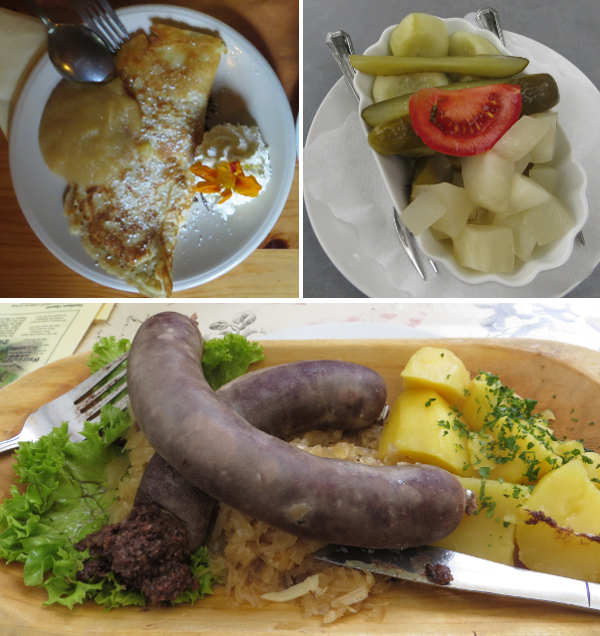
Wir kamen dann im Spreelandmuseum in Lehde an, einem Freilandmuseum. Leider setzte da auch der Regen ein, aber es hat mir trotzdem ausgesprochen gut gefallen. Da es weiter regnete und regnete entschieden wir uns, noch einen nachmittäglichen Snack zu nehmen und auf ein Abebben zu hoffen: mit Hefeplinse (im Bild links oben). Was die kulinarischen Erfahrungen angeht, verstehe ich nun auch den Hype um die Spreewaldgurken. Das erste Mal davon gehört habe ich durch den Film Good bye, Lenin! (!) und habe mich immer gefragt, was das soll… andere Gürkchen sind doch auch gut. Ja, mag sein. Aber die reine Auswahl an verschiedensten Gurken, die dann wiederum noch unterschiedlich eingelegt sind, war doch erstaunlich und sehr lecker. Die Grützwurst hingegen… um es mit Anna zu sagen: „Wenn man nicht darüber nachdenkt, was es ist und nicht guckt, wie aussieht, ist es ganz okay!“ Finnische Diplomatie.

We reached the Spreewald Museum in Lehde, an open air museum. Unfortunately, that was when it started to rain, too, but I still enjoyed it very much. The rain would not stop so we decided to have an afternoon snack and hope for improvement: with some special local pancakes called Plinse (upper left corner in the picture). As for culinary experiences in general, I now understand the hype about the Spreewald pickles, too. I first heard about them in the movie Good Bye, Lenin! (!) and always wondered… other gherkins are yummy, too? Well, yes – but the sheer variety of them, preserved in all kinds of different spices etc. was rather amazing and very delicious. The „Grützwurst“, however… or as Anna put it: „If you don’t think too much about what it’s made from and don’t look at it too closely, it’s pretty okay!“ Finnish diplomacy.

Am folgenden Morgen machten wir keinen langen Prozess und begaben uns mit dem Taxi zum Bahnhof Vetschau und fuhren nach Lübbenau, wo es uns nach einer kurzen Runde im Zentrum zum Kleinen Kahnhafen verschlagen hat. Und dann ging es holterdipolter, denn es waren gerade noch zwei Plätze frei und ehe wir’s uns versahen, waren wir auf einer vierstündigen Tour. Und es war wunderbar.

We didn’t think twice the next morning and called a taxi to take us back to the train station in Vetschau. From there, we went to Lübbenau, had a short tour of the center and then happened to walk to the small barge harbor. And then things happened very quickly: a barge was ready to depart but still had two seats so we practically just jumped on and were on a four-hour ride which was just wonderful.

Es war so still, so friedlich. Der Kahn ist einfach nur so dahingeglitten, hin und wieder wurden wir von Paddlern überholt oder ein anderer Kahn kam uns entgegen. Es waren ungefähr 20 Leute auf unserem Kahn und der „Kapitän“ hat uns quasi ohne Unterlass sehr unterhaltsam und informativ die Kulturlandschaft näher gebracht. Eine absolute Empfehlung – und lasst euch nicht auf die zweistündige Fassung ein.

It was so quiet, so peaceful. The barge was just gliding on the water, every now and then we were overtaken by people in cayaks or another barge passed. There were about 20 people on our barge and the „captain“ did a great job at giving us detailed insights into this cultivated landscape – very informative and entertaining at that. A must-do – and don’t go on one of the short two-hour rides.

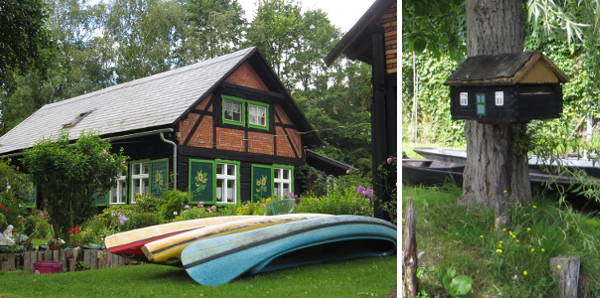
Es ist tatsächlich so, dass viele Häuser nur per Boot erreichbar sind – und auch die Post per Kahn kommt. Die Briefkästen hier sind oft ziemlich besonders: sozusagen Modellvarianten eines traditionellen Hauses, oft groß genug, um auch Päckchen entgegennehmen zu können. Das wäre was für mich!

Many of the houses can only be reached by boat – and even mail is delivered by barge. The mailboxes are often very special: they look like small scale models of the traditional houses and are often large enough to receive parcels, too. I would love to have one of those!

Ich möchte mal behaupten, dass mich der Spreewald wiedersehen wird… gerne möchte ich mal selbst paddeln und noch die eine oder andere weitere Fahrradtour unternehmen. Und einige Töpferwerkstätten aufsuchen. Noch viele Hefeplinse essen 🙂

I think it’s save to say that I will see the Spreewald again… I’d love to do some cayaking, too, and try a couple more of the bike tours. And find some of the potteries. And eat many more „Plinse“ 🙂

Barbara

Madagascar | Sainte Marie


Von Sainte Marie habe ich nicht viel gesehen, denn ich habe hauptsächlich geschlafen und gelesen. Und unglaublich gut gegessen. In einem wunderbaren Hotel, der EcoLodge Ravoraha – in einem Baumhaus.

Sainte Marie… I didn’t see much of because I mainly slept and read books. And had incredibly good food. All this in the wonderful EcoLodge Ravoraha – in a treehouse.

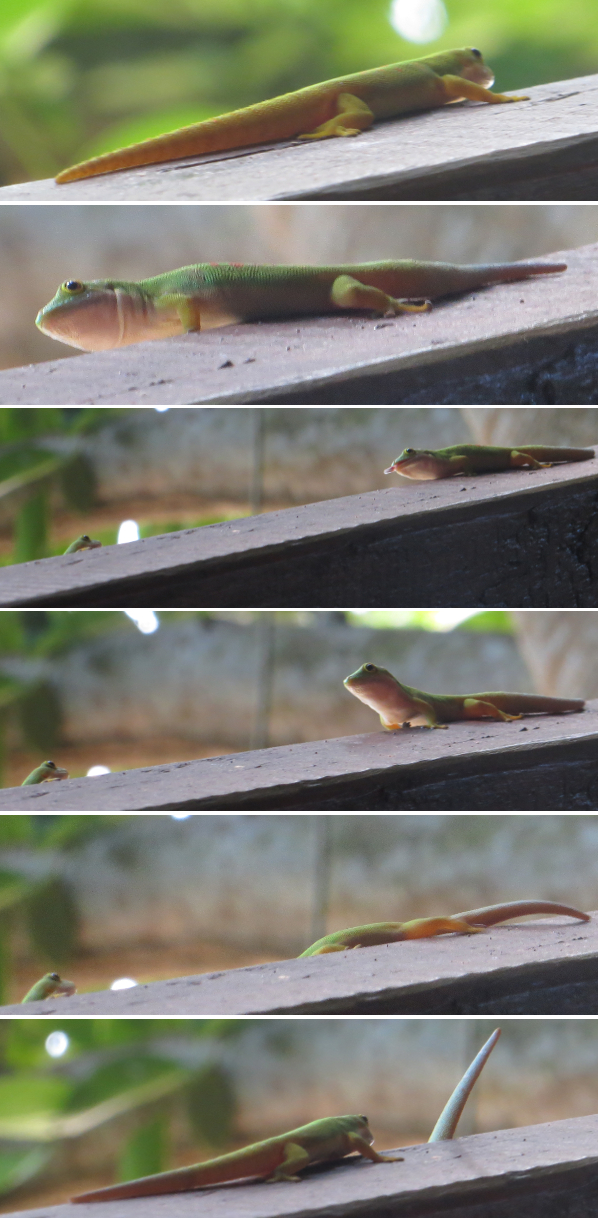
Da habe ich mich eigentlich zwei Tage nicht wegbewegt. Noch nicht mal an den Strand. Zu anstrengend. Außerdem schlabberten die Wellen ja fast bis unter den Baumhausbalkon. Ich habe Geckos beim Revierkampf beobachtet. Oder beim Vorspiel?

I basically didn’t move from that treehouse for two days. Not even to the beach. Too much. And then the waves come up until right under the balcony. I watched geckos fighting. Or at foreplay?

Und dann die Sonnenuntergänge über Madagaskar…

And then the sunsets over Madagascar…

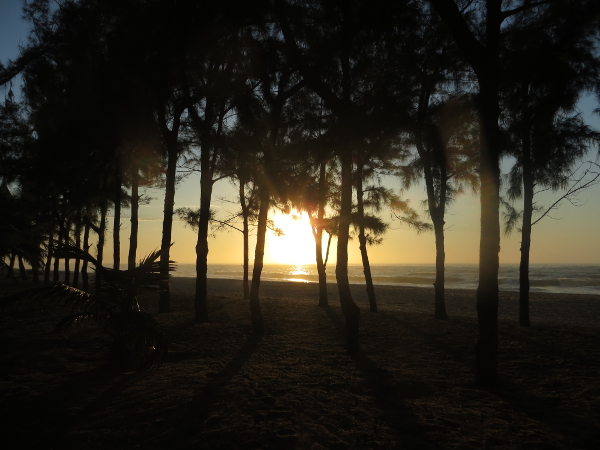
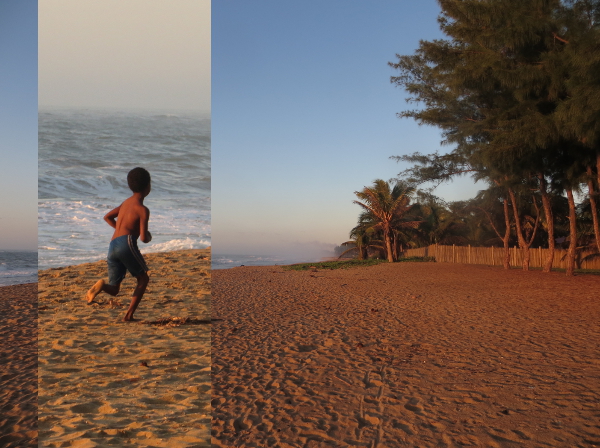
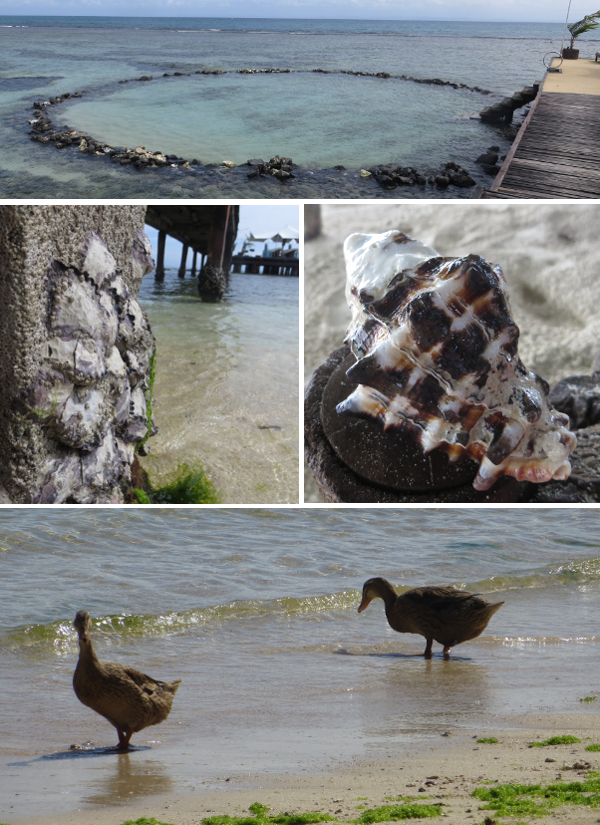
Dann doch noch Spaziergänge am Strand:

But then finally there were strolls on the beach:

Habe den Nachbarinnen beim Fischen zugeguckt:

Watched the neighbors fishing:

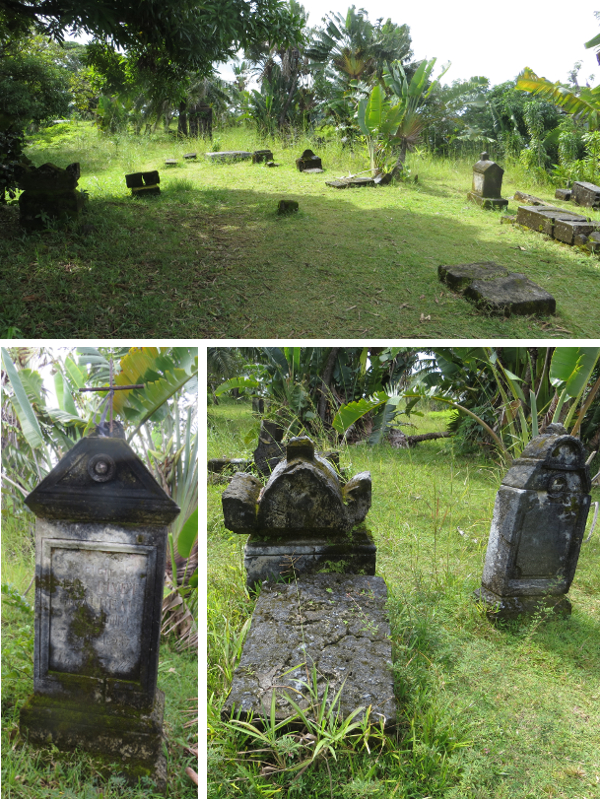
Zu einem klitzekleinen Ausflug konnte ich mich dann doch noch aufraffen, zum Piratenfriedhof:

And then I did rally for at least one little excursion, to the pirates‘ cemetery:

Und das war’s 🙂

And that was about it 🙂

Barbara

Madagascar | On the road


Nun doch noch ein kurzer Blick zurück auf Farafanga und die Stätte der Nahrungszufuhr… Egal, wie ich es versucht habe, kein Foto kam ohne Reflektion zustande, aber ich denke, man kann die Herren, die hier gemeinsam für löslichen Kaffee werben, erkennen?

One last look back at Farafanga after all, at the place where we had lunch… No matter how hard I tried, I couldn’t take a picture without reflection but I think you can still recognize this foursome advertizing instant coffee?

Den dienstlichen Teil der Reise vorerst beendet, habe ich mich auf den Weg in den Urlaub gemacht, auf die Insel Sainte Marie, die östlich von Madagaskar im Indischen Ozean zu finden ist. Es war eine zweitägige Anreise per Minibus und Fähre. Und das mit dem Urlaubsfeeling war schwierig, denn zur Abreise des Minibus musste man bereits um 6:15 Uhr anwesend sein. Aber es lief dann wie geschmiert. Für umgerechnet gerade mal 6 Euro ging es auf die achtstündige Fahrt nach Tamatave. Wie sich das in einem relativ neuen und offenbar gut gewarteten Sprinter mit Wifi an Bord rechnet, kann ich nicht sagen. Besonders nicht, wenn man bedenkt, dass die 15-minütige Taxifahrt innerhalb Antananarivos das gleiche gekostet hat.

The business-related part of the trip had ended for the time being and I took off for a brief break on the island of Sainte Marie, in the Indian Ocean off Madagascar’s East Coast. During the two-day trip with minibus and boat I kept repeating Granma’s mantra: half the fun is getting there. It was hard to believe it was actually a vacation as the last check-in on the first day was at 6:15 a.m. already. But all went very smoothly. For about 6 Euros I was safely brought to Tamatave, 8 hours away. I have no idea how you can make any profit comes off of this, traveling in a rather new Sprinter, wifi on board and all. Especially, when I had to pay the exact same amount for the 15-minute taxi ride in Antananarivo already.

Zweifel kamen nur kurz noch mal auf, als die Dame mit dem Helm einstieg… aber das war dann wohl doch eher ein modisches Accessoire. Vorbei am Skandal Buffet (was daran so skandalös ist, muss ich ein anderes Mal herausfinden) und zu den Klängen von „Akropolis Adieu“ (ganz im Ernst…) ging es dann los Richtung Nordosten.

I doubted my decision for only a brief moment when a lady wearing a helmet boarded the bus… but it was obviously a fashion accessory rather than protective gear. We passed the Skandal Buffet (what exactly the scandalous part of that is I will have to find out another time) and listened to Mireille Matthieu’s „Akropolis Adieu“ on the roads to the Northeast.

Die Straße nach Tamatave hatte was von der A61, was den LKW-Verkehr angeht. Nur, dass es eine kurvige Landstraße in oft bergigem Terrain ist, von Schlaglöchern durchsiebt. Ein wahnsinniger Warenverkehr, Unmengen an Tanklastern und ich dachte irgendwie amüsiert, dass man ja den Eindruck bekäme, als würde ganz Madagaskar nur über Tamatave mit Sprit versorgt. Das ist allerdings tatsächlich so, wie ich später erfuhr.

The road to Tamatave is a very busy trade route, lots and lots of trucks. Only that it’s not a highway but a small winding country road in the hills, full of potholes. A crazy amount of traffice, unbelievable numbers of road tankers so that I got to thinking that fuels all over Madagascar must come via this route. Which, it turned out, really is the case.

Tamatave hat einen großen Industriehafen und wir kamen durch das entsprechende Industriegebiet in die Stadt: eine Raffinerie mit sechs oder sieben gigantischen Öltanks (ob noch in Betrieb, weiß ich allerdings nicht). Viel gesehen habe ich von der Stadt sonst leider nicht, denn es war die Weiterreise am Folgetag zu organisieren (nochmal 4 Stunden mit einem Minibus nach Soanierana-Ivongo, Abfahrt 5:30 Uhr, und von dort weiter mit der Fähre nach Sainte Marie). Aber für einen Gang zum Strand am Hotel hat es natürlich noch gereicht!

Tamatave has a large industrial port and we entered the city coming through an industrial area featuring a refinery with six or seven humongeous oil tanks (don’t know whether it’s still funtioning or not). I didn’t get to see all that much of the city, though, as I had to arrange for the second part of the trip: another 4 hours in a mini bus to Soanierana-Ivongo (starting at 5:30…) and then the boat ride to Sainte Marie from there). But of course I checked out the beach right near the hotel where I was staying.

In Soanierana-Ivongo angekommen, ging’s aus dem Minibus direkt in die nächstgelene Bretterbude, wo die Reederei ihren Check-in machte. Von dort wurde man zur Polizei geschickt, die Bretterbude direkt nebendran. Ein jovialer Offizieller nahm meine Daten in einem Schulheft auf, dessen aufgeschlagene Seite er künstlerisch wertvoll mit dem Tagesdatum versehen hatte. „Zuerst einmal: ist es denn Mademoiselle oder Madame?“ Er war so ehrgeizig, als Herkunftsland „Deutschland“ einzutragen… gab aber nach drei Versuchen auf und schlug es im Pass nach. Die Bootsfahrt machte mir wieder bewusst, dass ich seekrank werde… Die See war rauh und die Betreiber waren auf’s schlimmste vorbereitet (siehe unten). Ich kann nicht sagen, wie lange die Überfahrt dauerte, da ich mich ausschließlich auf einen festen Punkt am Horizont konzentriert und gehofft habe, nicht der erste zu sein, der hektisch nach einem Eimer greifen muss. Hat geklappt.

When we reached Soanierana-Ivongo, the check-in for the boat trip was in a shack right next to the bus. They then asked us to register with the police one shack down. A jovial official wrote down my data in an exercise book. The page in use had been artfully adorned with today’s date. „First of all: is it Mademoiselle or Madame?“ He was ambitious enough to try and write „Deutschland“ as current residence… but gave up after three tries and decided to copy it from the passport. The boat ride reminded me that I get seasick – the sea was rough and the crew was prepared for the worst (see below). I can’t tell you how long the ride was because I spent every second of it focusing on a fixed point on the horizon, hoping I wouldn’t be the first to frantically grab one of the buckets. Worked.

Dann war es noch eine 11km lange tuk-tuk-Fahrt zum Hotel und die Erholung konnte beginnen!

All that was needed after that was an 11km tuk-tuk ride to the hotel and… beach time!

Barbara
Madagascar | Pepper


Endlich: ich weiß jetzt, wie es da aussieht, wo der Pfeffer wächst! Könnte schlimmer sein 🙂 Ich hatte vorher nicht darüber nachgedacht, ob Pfeffer an Büschen oder Bäumen wächst, ggf. sogar unter der Erde… alles nicht richtig: er wächst an so einer Art Lianen, die sich an Bäumen hochranken. Deswegen muss man für eine Pfefferplantage erstmal Bäume pflanzen und die dann im weiteren Verlauf auch ordentlich pflegen, ständig beschneiden usw., damit der Pfeffer auch genug Platz hat.

In German you can tell people to „go where the pepper grows!“ if you want them to go and get lost. And I went to find out what it looks like there – not that bad, really 🙂 I have to admit that I hadn’t given it a thought before how pepper grows… on bushes, on trees, maybe even in the ground… all wrong: it grows on some sort of liana that climb up trees. That’s why a pepper plantation starts out growing trees which then need to be well maintained because you need to make sure that the pepper is what grows, the trees not so much.

Man hört auch sonst eine Menge interessanter Dinge: Pfeffer ist umso besser, je schwerer er ist. Richtig guter schwarzer Pfeffer in ein 1-Liter-Gefäß gefüllt wiegt mehr als 600g. Kaufen kann man auch solchen, der vielleicht gerade mal 300g wiegt. Roter Pfeffer ist gar kein Pfeffer (jedenfalls nicht im Zusammenhang mit Madagaskar – vielleicht gibt es ihn irgendwo anders). Alle Versuche, den „wilden Pfeffer“ zu domestizieren, sind bislang fehlgeschlagen. Auf meine Frage, ob man es dann nicht vielleicht einfach lassen soll, guckte mich der Mensch, der in „fragrances and flavors“ macht, etwas ungläubig an. „Aber die Nachfrage! Die Sterneköche sind auf den Geschmack gekommen!“

It was day filled with interesting facts and trivia concerning pepper and other spices: the heavier the pepper, the better. A 1-liter container of real good black pepper will weigh more than 600g. You can get pepper of a quality of less than 300g. Red pepper is not really pepper (at least not what goes for red pepper in Madagascar – maybe there is elsewhere). All attempts at domesticating „wild pepper“ have so far been unsuccessful. My question whether one should simply stop trying was met with a gaze by the guy who is „in fragrances and flavors“ that left no doubt: that’s stupid! „But the demand! All the chefs in Europe and elsewhere are hooked on the taste now!“

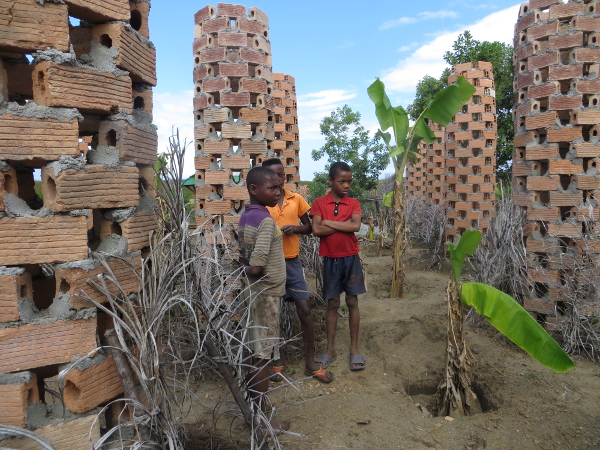
Dass Pfeffer ein ziemliches Geschäft ist, zeigt wohl auch eine gigantische Versuchsfläche eines Investors, der es mal ohne Bäume ausprobieren möchte. Mein erster Gedanke bei dem Anblick dieses… Werks blieb unausgesprochen, bis ihn die russische Kollegin formulierte: „Das erinnert mich an das Holocaust-Denkmal in Berlin!“ Die Meinungen der Fachleute sind eher skeptisch. Zwar weniger Arbeit – „aber die Steine werden sich aufheizen, das wird nicht funktionieren!“ Es dauert drei Jahre, bis man den ersten Pfeffer ernten kann. Ich hoffe, dass ich irgendwie erfahren werde, was aus dieser Plantage wird.

One look at this giant test of a new growing method without trees that some investor thought up leaves us in no doubt: pepper is quite a business. I left my first thought unspoken but then our colleague from Russia said it: „That reminds me of the Holocaust memorial in Berlin!“ The experts we were traveling with (and more who we showed pictures to later) were all very skeptical about it. Yes, less work with the trees – „but the rocks will heat up and ruin the plants!“ It takes three years before you have the first harvest. I hope there will be a way to find out about this.

Von wegen Geschäft: der Preis für Vanille ist explodiert und unbezahlbar. Vor 2 Jahren haben wir, wenn ich mich recht erinnere, das Kilo für 80 Euro gekauft. Der Preis liegt derzeit bei 600 Euro. Und die Qualität ist unterirdisch. Der Zusammenhang war mir erst nicht klar, aber weil der Preis so wahnwitzig ist, ernten einerseits die Bauern vor der Reife und andererseits wird überall unreife Vanille geklaut (was die Bauern nur wieder bestärkt, selbst unreif zu ernten, damit sie wenigstens selbst was davon haben). Im Detail erfasst habe ich die Preis-Dynamik aber nicht, wenn ich ehrlich bin. Aber ich verstehe auch keine Aktienkurse, insofern…

Talking about business: the price for vanilla just exploded. Two years ago, we bought vanilla at 80 Euros per kg, if I remember correctly. The current rate is 600 Euros. And on top of that, the quality is really bad. I didn’t see the connection first but because the price is so crazy, the farmers harvest too soon to be sure to get the price. And also, vanilla is being stolen off the plants like crazy which in turn motivates farmers to harvest even sooner so that at least they get the money. I have to say that the details of this dynamic are still beyond me. But then I don’t understand the stock exchange, either, so…

Was auf dem Bild oben ein bisschen an ein Gräberfeld erinnert, ist eine Nelkenplantage. In diesem Fall noch ziemlich kleine Büsche, die durch eine Box aus Palmenblättern vor Wind und Sonne geschützt werden. Ingwer hätte mich noch interessiert – vor allem seit ich weiß, dass Ingweröl ein sehr nachgefragter Stoff ist. In der Parfumindustrie. Für die Zahlenfreaks unter den Lesern: für 1 Liter Öl braucht man 250 kg frische Ingwerwurzeln. Aber weg von Gewürzen und Düften zu der Frage, die am ersten Reisetag wieder aufkam: wo hier alles grün ist und so viel wächst, alles mögliche zum Kauf angeboten wird… warum (und wo) gibt es hier Menschen, die hungern?

Looking at the picture above, I’m reminded of a cemetery but it is in fact a clove plantation. In this case, the bushes are still very small, sitting in these boxes made of palm leaves, protecting them from the wind and the sun. I would have loved to see a place where ginger is grown, too – especially since I got to know that ginger oil is very much in demand. In the perfume industry. Some more numbers: to get 1 liter of ginger oil, you need 250 kg of fresh ginger roots. But let’s move on from spices and fragrances to the questions that we had from day 1 of this trip: with all the lush vegetation where all kinds of things not only grow but are offered on the markets as well… why (and where) are there people who suffer from hunger?

Wenn ein Reisfeld ca. 2 Wochen vor der Ernte so aussieht, wie oben, dann ist das übel. Wir haben den Leiter der Mission Catholique getroffen, der bereits versucht hat, die Regierung auf die Lage in seiner Gemeinde aufmerksam zu machen. Es gibt halt keine Bilder von apathischen Kindern, von verendetem Vieh oder von Boden, der vor Trockenheit aufplatzt. Und die Ernte wird auch nicht gleich 0 ausfallen. Aber je nach Feld nur zwischen 15 und 50% des normalen Ertrags bringen. Das reicht nicht weit und schon gar nicht, um in der nächsten Saison noch was zum Anpflanzen zu haben.

When a rice paddy about two weeks away from harvest time looks like the one above, that’s not good. We have met the head of Mission Catholique who has already tried to raise the government’s attention to the plight of the people in his community. There are no pictures of lethargic children, of dead cattle or of fields that pop open because they are so dry. And it will not be a 0 harvest. But depending on the paddy, it will only yield between 15 to 50% of the normal yield. That won’t take anyone far and let alone leave anything to plant in the next season.

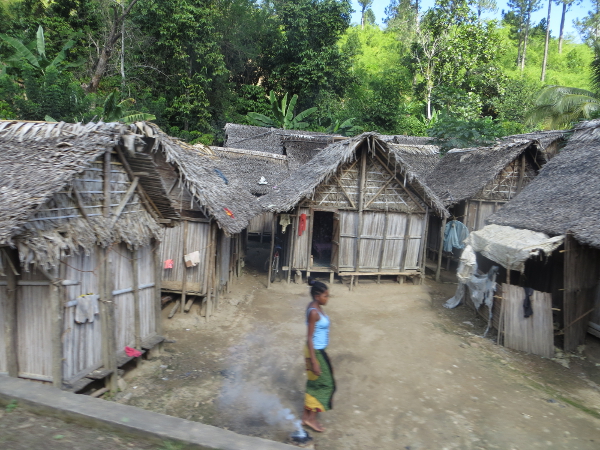
Und wie kommt es dazu? Das passiert, wenn es zu trocken ist, wenn du das erste Mal startest… und das geht vor die Hunde. Dann startest du einen neuen Versuch und den zerhaut dir dann der Zyklon, so dass nicht viel übrig bleibt. Und die Zyklone kommen jedes Jahr – wie die Hurricanes in der Karibik oder die Taifune auf den Philippinen. Schon die Häuser hier sind darauf ausgerichtet: keine standfesten Bauten aus Ziegel und Holz wie im Hochland, sondern einfache Hütten aus Palmblättern oder ähnlichem. Die hat man schnell wieder aufgebaut, wenn sie weggeweht werden. Und weggeweht werden sie mit ziemlicher Regelmäßigkeit.

So how does this happen? It happens, if it’s too dry when you have to start planting for the first time… and that harvest goes down the drain. So you start again, hoping for the second harvest, and then a cyclone hits and doesn’t leave much to speak of. And the cyclones come every year – as the hurricanes in the Caribbean or the typhoons on the Philippines do. The dwellings here tell the tale: no steadfast houses made from brick and wood as in the highlands but very simple huts made from palm leaves or similar materials. They are easily rebuilt when they’re blown away. And blown away they are on a regular basis.

In einem anderen Ort waren wir bei einer Zusammenkunft mit zwischen 20 und 30 Vertretern einzelner Kommunen, für die ein Frühwarnsystem eingerichtet wurde. Das Treffen fand in einem Schulgebäude statt, in dem die Vertreter und wir im wahrsten Sinne des Wortes die Schulbank gedrückt haben, denn für erwachsene Menschen ist das schon eher eine Quetscherei. Wie auch immer: als der erste sprach (auf Madagassisch), dachte ich „Uh-oh, der liest uns die Leviten!“ – so hörte sich zumindest der Tonfall an. War aber dann gar nicht der Fall: er äußerte sich höchst zufrieden, war doch in der letzten Zyklonsaison zum ersten Mal niemand körperlich zu Schaden gekommen. Es wurde noch das eine oder andere hinzugefügt, dann meldete sich ein Herr und meinte, wir könnten hier noch den halben Tag sitzen, aber eigentlich sei alles gesagt. Offensichtlich kein Typ für Bullshit Bingo.

In another village we joined a meeting of about 20 to 30 community representatives where an early warning system for cyclones was put in place. The meeting took place in a school building where we were all sitting squashed into school benches… a little too small for grown-ups! Anyhow, when the first gentleman started to speak (in Malagasy) I thought: „Oh no, that’s bad news!“ – at least that’s what it sounded like. But it wasn’t the case at all: he was highly satisfied as it was the first cyclone season where no-one suffered bodily harm. A few other things were added and then another gentleman said that really, we might as well end it here because everything was said but of course if we wanted to go on and on until night fell… Not a bullshit-bingo type of guy, I guess.

Und mit all dem gesagten habe ich noch kein Wort zu Farafangana verloren… Aber da waren es auch nur stundenlange Meetings in den eigenen Büroräumen und ein bisschen Nightlife: nach einem späten Abendessen im ganze 5 Zimmer umfassenden Hotel „Concombre masquée“ haben wir die neue Beach Bar des Ortes getestet (gemütlich – es wurde mir allerdings vom Sand sammeln an Ort und Stelle strikt abgeraten) und danach noch einen Blick in den „Club“ des Ortes geworfen… oioioi… einfach nicht meins und das fing schon bei der Musik an. Aber man muss ja alles mal erlebt haben. Auch das hier und jetzt anstehende Abendessen, deswegen: auf bald!

So much said already but not a word on Farafangana… but those were only hours and hours of meetings in our own offices and then a little nightlife: after a late dinner at our 5-room hotel „Concombre masquée“ we tested the new beach bar (very nice – but I was told not to collect any sand there) and then we had a brief look at the only dance club in town… oioioi… not my cup of tea at all and that started with the music. But I can say: been there, done that. Things are starting to get hectic in the kitchen so I guess I’d better sit down at the table, so: take care!

Barbara

Madagascar | Manakara

Auf dieser Dienstreise kommt es am laufenden Band zu Planänderungen und man muss einfach flexibel bleiben. Das ist allerdings meiner Herangehensweise auch angepasst, denn ich habe keinen Plan vorab entwickelt, wie ich wo was mit wem besprechen möchte. Schon allein, weil mir der konkrete Bedarf der Kollegen wichtig war – dafür muss Zeit sein. Wie auch immer. Die letzte Planänderung führte auf dem Weg nach Farafangana zu einer Übernachtung in Manakara am Indischen Ozean.

This mission is characterized by constant changes to the schedule and all you can do is stay flexible. I have to say that this serves my own approach to this trip as I have not developed a time table for what to do with whom where. I first wanted to hear what the colleagues had on their minds and adjust my program accordingly. Anyhow. The last change of plan on the way to Farafangana led to an overnight stay in Manakara on the Indian Ocean.
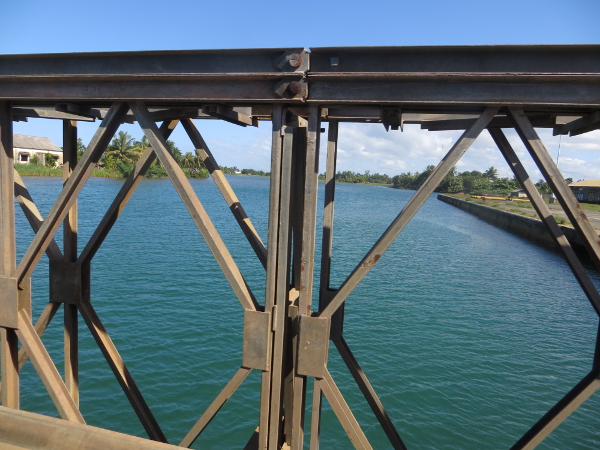
Was für ein Ort! Eine koloniale Gesamtanlage im Verfall, sozusagen. Heftig. Und ich sitze halt im Auto, gucke in der Gegen rum und bin in dem Film, der hier das blühende Leben zeigt. Kolonialismus hin oder her – was für ein perfekt angelegter Ort. Ein Überseehafen, der lange als wichtiger Umschlagplatz gedient hat. Ein richtig großer Kanal (siehe oben), der sich die Ostküste entlang, als Verbindung vieler Seen, nach Norden zieht. Dann die Uferstraße:

What a place! A comprehensive colonial development in decay so to speak. Wow. And I sit in the car, look around and it’s like I’m watching a movie that is set in the heyday of this town. It’s good that colonial times are over but… what a perfectly designed place. I’m in awe, have to say it. A large harbor that for a long time was an important trading spot. A very large canal (see above) that not so much winds its way up the East coast but is more like a straight line connecting lake after lake. And then the waterfront:

Ich habe keine Fotos davon, aber es ist eine Perlenkette an Villenruinen, teilweise bewohnt bzw. besetzt, nehme ich an. Das Haus am Meer. Ja, das Meer. Ich habe es kaum irgendwo so kraftvoll erlebt, an einem Tag, an dem man nicht von Sturm sprechen kann. Trotzdem knallt die Brandung lautstark auf den Strand und die Luft ist voller Salznebel. Der ist überall. Vor allem auf meiner Brille. Schwimmen ist hier nicht angesagt – sogar im Hotelzimmer wird darauf hingewiesen, dass die Strömung mörderisch ist und das Schwimmen deswegen absolut untersagt ist. Das ändert für mich nichts an der Faszination, denn ich bin ja eh der Typ Standspaziergänger.

I do not have any pictures of them but there are numerous, once spectacular villas now lying in ruins, some of them inhabited – I would take a guess and say the families are squatters. The house by the sea. Yes, the sea. I have a hard time remembering a place where I have felt it was so powerful – on a day when you can’t really say it’s windy even. And still the waves noisily crash onto the beach, and the air is full of a salty mist. It’s everywhere. Mainly on my glasses, though. Swimming is not the thing to do here – even in the hotel room there are signs letting you know that the current is no less than murderous and that swimming is therefore strictly forbidden. No problem for me, I’m more the „walk-on-the-beach”-type anyway.

Nach Manakara läuft außerdem die einzige funktionierende Zugverbindung in ganz Madagaskar, aus Fianarantsoa kommend. Also – theoretisch. Praktisch ist auch diese so gut wie eingestellt, da die Lok nicht mehr wirklich will. Zuletzt noch eine Touristenattraktion, die dafür sorgte, dass sich eben jene auch hierhin verliefen, ist die fehlende Planbarkeit jetzt zu abschreckend. Es kann einen Tag dauern oder vier und man kann auch gar nicht ankommen. Die Hotelbetreiberin (eine wunderbare 6-Bungalow-Anlage direkt am Strand) scheint entsprechend vollkommen entschleunigt zu haben. Bereitwillig stimmt sie zu, uns noch ein spätes Mittagesse zu machen. Wir fragen, was sie denn so hat und sie meint: „Garnelen.“ Wir so: „Auch noch was anderes?“ Sie wieder: „Ja, man könnte auch was mit Nudeln machen, vielleicht auch Langusten – aber die Garnelen sind am einfachsten.“ Entwaffnend ehrlich. Wir nehmen die Garnelen.

Manakara is the last stop of the only still functioning train connection in Madagascar, coming from Fianarantsoa. Theoretically, that is. The last engine still in service does not function smoothly anymore. This train used to be a tourist attraction and made sure that at least a few would make it to Manakara but now the lack of security in planning keeps them away. It can take one day or four or maybe you don’t reach your destination at all. The lady who runs our hotel (a charming 6-bungalow garden just behind the beach) has learned to take things slowly. She gladly agrees to prepare a late lunch for us. We wonder what is on offer and she says: „Shrimps.“ And we wonder more: „Anything else?“ And she again: „We could make something involving pasta, maybe crawfish – but the shrimps are easiest, really.“ It doesn’t get any more honest than that, does it? We take the shrimps.

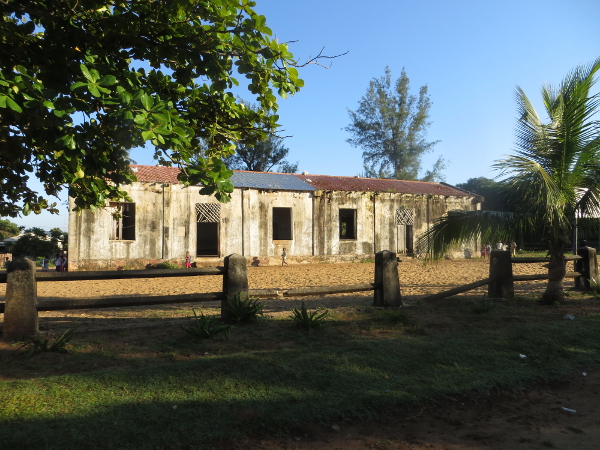
Natürlich gibt es auch eine Art Prachtboulevard, auch wenn selbst die Palmen teilweise nicht mehr prächtig sind. Keine Gegend mit französischen Einfluss ohne gute Croissants und Baguettes – auch hier lässt’s sich in dieser Hinsicht leben. Von den öffentlichen Gebäuden am besten in Schuss ist, wie sollte es anders sein, noch die Kirche. Wie so oft fehlt mir dafür jegliches Verständnis. Ich hoffe mal, dass das ein verlassenes Fabrikgebäude ist und keine Schule:

And of course there’s a wonderful boulevard, even if some of the palm trees are only a shadow of their former selves. And no place under French influence that doesn’t have fantastic croissants and baguettes – so, too, does Manakara! The one public building that is at least somehow in good shape is, take a wild guess, the church. And as usual I lack understanding. Let’s hope the building below is a run down factory building and not the school:

Zum Abschluss noch eine absolute Seltenheit auf diesem Blog – ein Sonnenaufgang! Das erlebe ich ja nur ausgesprochen selten, aber es ist wahr! Ich bin an der Ostküste, die Sonne geht auf! Und um diese Uhrzeit war schon ein kleiner Jogger unterwegs (der ist wirklich gejoggt, hin und her):

Before I let you go, I have a rare thing to share (on this blog that is) – sunrise! That’s just not my time of day usually but it’s true! I’m on the East coast, the sun rises! And there was even this little guy jogging on the beach (seriously: he was running back and forth – just for the exercise):

Doch nun: adieu und auf bald!

Gotta get some sleep! Take care!

Barbara

Madagascar | Deforestation


Die Zeit fliegt und ich habe mich lange nicht gemeldet! Nach dem ersten langen, aber wunderbaren Tag Autofahrt im Hochland waren wir in Ranomafana angekommen, wo auch der Nationalpark gleichen Namens zu finden ist. Da ist Regenwald angesagt und davon gibt es viele Fotos in meinem Beitrag zum Besuch in 2015.

Time is flying and it’s been a while since I last blogged! After that first long but wonderful day driving through the highlands we had reached Ranomafana, on the edges of the national park of the same name. This is rainforest and one of the last stretches of primeval forest in Madagascar. You can have a look at pictures from there in the post I wrote in 2015.

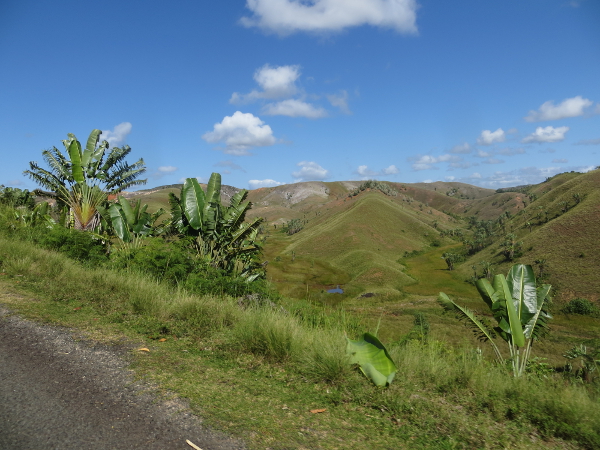
Der neue Tag sollte uns bis Manakara am Indischen Ozean bringen. Auf den Weg geschickt wurden wir mit der telefonischen Ansage des Landesdirektors „Guckt euch mal an, was Abholzung heißt.“ Und dann erwischt man sich dabei, wie man anfängt, die Dinge zu relativieren. „Ja guuuut… Kein Regenwald. Aber das ist doch immer noch total bewachsen und so…“

The next day we were scheduled to go to Manakara on the Indian Ocean. We were sent on the way with a foreboding remark by the country director: „You’ll get a good look at what deforestation means.“ And along the way you catch yourself trying to put things in a weird perspective, like: „Okayyyyy… no rain forest. But there’s still a ton of vegetation…?“

Und es geht weiter: „Ja guuuut… vielleicht nicht mehr 300 oder was verschiedene Schmetterlingsarten, aber eine kurze Pinkelpause reicht schon, um 5 verschiedene zu sehen…“ Wann habe ich in Deutschland zuletzt einen Zitronenfalter gesehen? Ich kann mich nicht erinnern. Wahrscheinlich als Kind. Aber wie verdreht ist das, zu versuchen, diese Tatsache hier als Argument einzubauen?

And I go on: „Okayyyyy… maybe there aren’t 300+ different kinds of butterflies anymore, but just during this short pee break I saw 5 different ones…“ When was the last time I saw a brimstone butterfly in Germany? I do not remember. Probably when I was a kid. But how twisted a try is that to argument sort of in favor of deforestation?

Schließlich gibt man sich vielleicht doch voll zu, wie übel das alles ist – und fragt sich dann, mit welchem Recht man aber Menschen in einem anderen Land erzählen will, dass der Regenwald ein Schatz ist, dass man den erhalten muss, dass da vielleicht finanziell viel mehr rauszuholen ist, wenn der bestehen bleibt – während der Bauer sich nur fragt, wie er die Kinder bis zur nächsten Ernte durchbringen soll. Wie seine Frau kochen soll, ohne Holz. Und das soll man noch glaubhaft rüberbringen, wenn in Deutschland der letzte Rest von sowas wie Primärwald im Hambacher Forst kurz vor dem Aus steht – im Prinzip aus dem gleichen dämlichen Grund?? Oder noch unendlich viel blöder: weil wir noch viel mehr als Holz zum kochen brauchen in riesigen, hell erleuchteten Häusern mit unzähligem und oft sinnlosem elektrischen und elektronischen Schnickschnack? Sagt die Frau mit dem Weihnachtsbaum, der 400 Lichter hat.

And then finally you do admit that this really is a disaster – only to move on to asking yourself how you can go about telling people in other countries that the rainforest is a treasure, something so precious you need to make sure it survives, that maybe there’s a lot of money in it even if you keep it wild – while a farmer is only wondering how to feed his children until the next harvest. How his wife should cook, without wood. And you want to keep a straight face arguing this point while back at home the very last bit of something reminding of primeval forest (Hambacher Forst) is being under threat for basically the exact same reason. Or for a reason exponentially more stupid even: because we need so incredibly more than „wood“ for cooking in our huge, brightly lit houses with countless and often useless electric and electronic gadgets? Says the woman with the Christmas tree that features 400 lights.

Wir können uns noch nicht mal darauf zurückziehen zu sagen: „Das ist alles so gekommen, Bevölkerungswachstum, erst mehr landwirtschaftliche Flächen, dann Industrialisierung, die angetrieben werden musste – aber jetzt haben wir ja dazugelernt und können euch sagen, dass man das besser machen kann.“ Aber dann erreichst du die Gegend, wo du nichts mehr schönreden kannst – weil nichts mehr da ist. Eine Mondlandschaft, oft runter auf den blanken Fels. Ganz kurz dachte ich „Ein bisschen wie Lanzarote (wobei das natürlich viel extremer ist)… und da kriegst du gesagt, dass du bloß nicht von den Pfaden abweichen sollst, denn diese nur millimetergroßen Flechten haben 300 Jahre gebraucht um so weit zu kommen.“

We can’t even put it down to this widely spread line of thought: „This all just happened, you know, population increase, first more area was cleared for agriculture, then industrialization that needed to be powered – but you know, we have learned from that and can tell you how to be better.“ But then you reach the part where you can’t sugarcoat anything anymore – because nothing is left. A moonscape, down to bare rock in places. For a brief moment I thought: „A little like Lanzarote (though that is more extreme)… and when hiking there you are told not to set even one foot off the trail because those millimeter-size lichens took 300 years to grow already.“

Die Frage, ob diese Landschaft überhaupt nochmal auch nur landwirtschaftlich nutzbar gemacht werden kann, wurde bejaht. Es würde wohl so zehn Jahre dauern, den verbliebenen Boden „wiederzubeleben“ usw. – aber wozu? Landwirtschaftliche Flächen gibt es eigentlich genug, es ist der Regenwald, der fehlt. Und deswegen ist es trotz allem gut, dass es auch hier Leute gibt, die das aufhalten wollen. Punkt.

We wondered whether it was at all possible to put these stretches to some use again and were told that yes, in theory. It would probably take about ten years to get the remaining soil into a shape that allowed for agriculture – but what for? There’s plenty of fields around, it’s the rain forest that’s gone. And that’s why, even if in the big context it could be considered hypocritical, it is good that there are people who care, who want to stop it. Period.

Nun zu was ganz anderem: ich habe herausgefunden, was die Frauen, die ich im letzte Beitrag erwähnt habe, in dem Reisfeld gemacht haben: sie haben gefischt. Offenbar gibt es in Reisfeldern ganz kleine Fische, aber der Kollege, den ich gefragt habe meinte, dass es ziemlich unwahrscheinlich ist, dass sie Erfolg hatten. Und wenn doch (das Ding war ja, dass sie überhaupt kein Behältnis dabei hatten), dann würden sie die wohl einfach in ihre Rocktaschen stopfen.

On another note: I did find out what those women I mentioned in the last post were doing in the rice paddies: they were fishing. Apparently, sometimes there are tiny fish in the rice paddies but the colleague I asked said that he doesn’t think they caught any. And if they did (the issue of them not having any container with them) they would probably put them in their skirt pockets.

Auf bald!

Take care!

Barbara