Another Day in… BREMEN

RHOD5
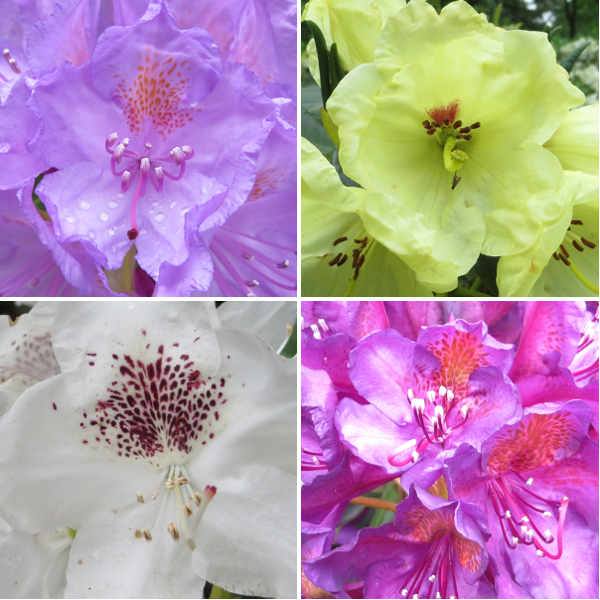
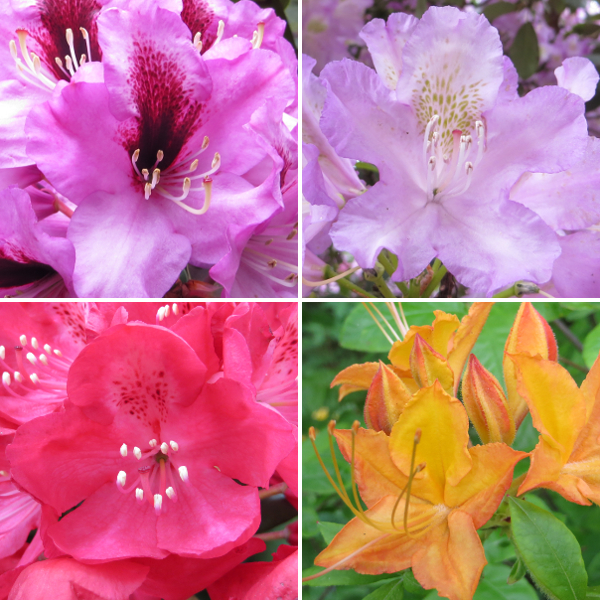
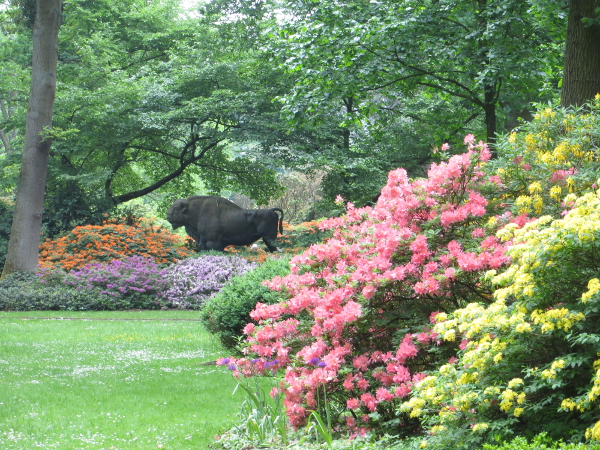
Ich gebe es unumwunden zu: die Empfehlung lag vor. Mehrfach. Wie es trotzdem dazu kommen konnte, dass ich mich nur in letzter Minute noch entschlossen habe, den etwas abseits gelegenen Rhododendronpark in Bremen aufzusuchen, bleibt ein Rätsel. Mangelnde Zurechnungsfähigkeit oder so. Wirklich. Und dann das. Sowas habe ich noch nie gesehen, der absolute Hammer, nie dagewesene Ausmaße. Zum Niederknien. Das Rhododendronrondell in Bonn wird nie wieder das gleiche sein. Oder eben doch?

I admit it freely: I had the recommendation. More than one. I have no clue why it still turned out to be a last minute decision to do go and see the rhododendron park in Bremen, which is a bit off the beaten track. Lack of mental capacity (temporary, I hope). Really. And then this. I’ve never seen anything like it, just awesome, a vast expanse of a rhododendron forest I’d call it. Drop on your knees beautiful. The rhododendrons in Bonn will never be the same again. Or will they?

RHOD1

Kein Wunder, dass Ilse immer wieder kommt. Ilse traf ich auf dem Rückweg an der Bushaltestelle und wir haben uns im Bus und dann anschließend auf der Straßenbahnfahrt unterhalten. Sie war mit einer Handtasche und zwei Gehstöcken bewaffnet, so um die 85 – direkt zu fragen habe ich mich dann doch nicht getraut. „47“ kam sie zum ersten Mal nach Bremen und hat dann 52 Jahre dort gewohnt.

No surprise at all that Ilse keeps returning. I met Ilse at the bus stop on the way back and we got into talking on the bus and then on the tram. She was armed with a handbag and two canes, maybe 85 years old – I didn’t want to ask. But it was in „47“ that she first came to Bremen and stayed for 52 years.

RHOD7

Jetzt wohnt sie in Hannover, hat nur eine kleine Rente und kann keine großen Sprünge mehr machen. Aber nach Bremen kommen zur Zeit der Rhododendrenblüte, dazu muss es jedes Jahr noch reichen. „Ich hab’s alles ausgegeben, Wanderurlaub im Herbst, Skiurlaub im Winter – und ich würde es wieder so machen! Die Erinnerungen, die sind noch hier drin – und mitnehmen kann ich auch nichts,“ sagt sie, und zeigt sich augenzwinkernd den Vogel.

Now she lives in Hannover, on a small pension that doesn’t allow for a lot. But every year she comes to Bremen when the rhodies are in bloom, there’s no passing on that. „I spent it all, hiking vacations in the fall, skiing in winter – and I would do it all over again! The memories are all safe here and I can’t take anything with me when I go,“ she says, indicating her head, winking.

RHOD4

Krankenschwester ist sie gewesen – und hat immer im Schwesternheim gewohnt, da blieb halt doch einiges übrig. „Nur ganz am Anfang, da gab’s gerade mal 10 Mark… das DRK hat uns schon ausgenutzt. Aber das ist dann ja besser geworden. Wir haben das Leben gelebt und so muss es sein. Machen Sie das bloß richtig!“

She used to be a nurse – and always lived in the dorm of the hospital so she saved a lot at that end. „Only in the beginning, when we didn’t get more than 10 Deutschmark… the Red Cross really did take advantage of us I guess. But that improved and we were living the good life and that’s how it’s supposed to be. You better make sure you remember that!“

RHOD8

Eine Nicht hat sie in Kanada, die wollte unbedingt, dass sie sie nochmal besucht. „Die wollte auch alles zahlen – aber das ist nicht so meins, ich will nicht ständig zu allen und allem Danke sagen müssen. Aber es ist auch egal, ich weiß heute noch wie Kingston aussieht und wenn die mich sehen wollen, dann sollen die doch geflogen kommen. Auf den langen Flug habe ich keine Lust mehr.“

She has a niece in Canada who wanted her to come and visit again. „They were going to pay for it, too, but I really don’t like that, I don’t want be in a situation where I have to be grateful all the time. But it doesn’t matter, I still know what Kingston is like and if they’d like to see me they might as well come over. I don’t like to fly that long anyway.“

RHOD2

„Wissen Sie, ich bin da mit mir im Reinen. Früher oder später muss ich ins Heim und dann ist eh alles weg, das bisschen, das da ist. Jetzt gehe ich erst noch nett ins Café und dann fahre ich wieder nach Hause. Einkaufen? Was soll ich denn einkaufen? Alles da. Aber ein gutes Stück Kuchen und eine leckere Tasse Kaffee – so kann der Tag doch enden, oder?“

„You know, I’ve long come to terms with myself. Sooner or later I have to live in a nursing home and then all is gone – the little I have now. So I go and sit in a nice café and then go home again. Shopping? What should I buy anyway? I have everything. But a good piece of cake and a delicious cup of coffee – that makes for a perfect ending of the day, doesn’t it?“

RHOD10

„Mit Freunden ist es auch nicht immer einfach. Eine gute Freundin hat mir mal gesagt… also, im Prinzip, dass sie keinen Wert mehr auf unsere Freundschaft legt. Naja, irgendwie schmerzt das schon noch, aber sowas muss man akzeptieren. Ich habe jetzt gehört, dass es ihr schlecht geht und dann überlege ich immer wieder, ob ich mich nicht doch melden soll. Aber ich mache es dann doch nicht…“

„It’s not always easy with friends, either. A very good friend once told me, well… that she didn’t care for our friendship anymore. It still hurts sometimes but you need to accept it. Somebody told me now that she was not doing well so I started wondering whether I should get in touch again. But then I didn’t…“

RHOD6

Ich werde das Gefühl nicht los, dass Ilse noch viel mehr zu erzählen gehabt hätte. Die ganzen Reisen – „nie südlicher als Südtirol, das hat mich nie gereizt. Aber nach Norden, dahin jederzeit und soweit es geht. Bloß keine Kreuzfahrt nach Norwegen – sterbenslangweilig!“ Ganz im Gegensatz zu ihr 🙂

I think that Ilse would have had much more to talk about. All her travels – „never further South than South Tyrol, it never interestd me. But to the North, anytime and as far north as possible. But no cruise to Norway, heaven forbid – deathly boring!“ Quite the opposite of her 🙂

RHOD3

„Denken Sie dran, verlieren Sie keinen Tag!“ rief sie mir noch hinterher. Das denke ich ja eigentlich sowieso – aber vielleicht habe ich eine Erinnerung gebraucht. Insgesamt 30 km Stau auf der A1 Richtung Lübeck kamen mir nur durch den unermüdlichen Einsatz von Adele nicht als verlorene Zeit vor… auf bald!

„Don’t forget: don’t lose a single day!“ she shouted in my back when I left the tram. I agree anyway – but maybe I did need a reminder. A total of 30 km of traffic jams on A1 towards Lübeck were not considered lost life time only due to Adele’s tireless performance… talk with you soon!

Barbara

P.S.: Die schönen Dinge des Lebens kann man im Cafe des Rhododendronparks bis zur allerletzten Minute auskosten und muss keine Wartezeit an Haltestellen verschwenden:

P.S.: This is how you can enjoy the beautiful things in life at the café of the rhododendron park until the very last minute and not waste any time waiting at bus stops:

RHOD9

A Day in… BREMEN!

BRE1
Irgendwann war ich mir nicht mehr sicher, ob ich diesen Urlaub noch unbeschadet würde antreten können – so einiges hat dann auch nicht mehr geklappt und die Abreise war verspätet, aber dann doch noch. Dieses Mal bin ich mit dem Auto unterwegs, ganze drei Wochen lang. Das habe ich so noch nie gemacht. Bin gespannt. Erster Stop: Hansestadt Bremen.

At some point I wasn’t sure anymore whether I would be able to actually go on this vacation – quite a few things weren’t taken care of and the departure was delayed but did happen in the end. This time I’m traveling by car, for a full three weeks. I don’t think I’ve ever done that before. I’m excited. First stop: the Hanseatic City of Bremen.

BRE7

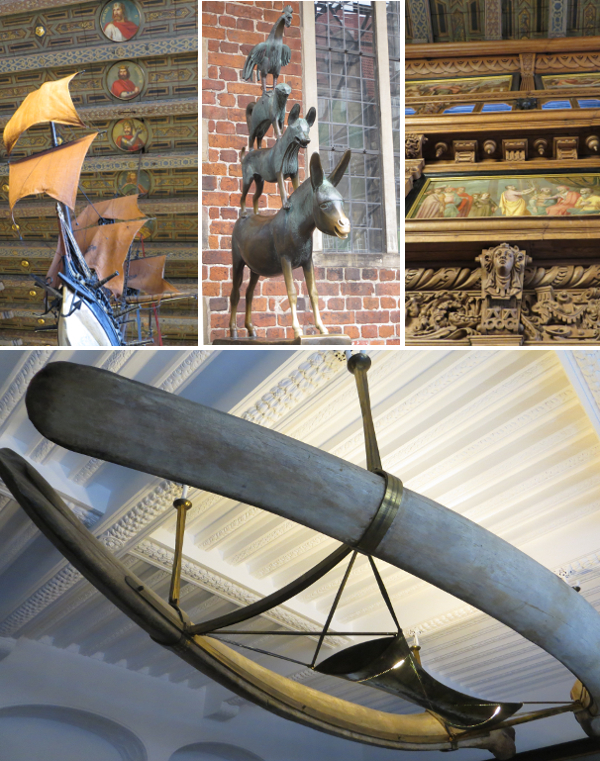
Wie man sehen kann, war das Wetter eher trübe – aber immer trocken. Auf der kleinen Kollage ganz oben sieht man den Roland: als Neffe Karls des Großen wacht er sozusagen seit 1404 über die der Stadt 1303 verliehenen Stadtrechte. Zusammen mit dem Rathaus gehört er zum UNESCO Weltkulturerbe. Vom Rathaus habe ich kein Foto – zwischen schlechtem Licht, teilweiser Eingerüstung (?) und dem Kratzer auf meiner Linse machte es keinen Sinn. Aber ich habe mir die interessante Führung desselben gegönnt, die hauptsächlich in der Oberen Rathaushalle stattfand. Von dort sowohl das Foto vom Kronleuchter oben, als auch folgende Aufnahmen (außer den Stadtmusikanten natürlich, die stehen außen):

As you can see, it was overcast and gray – but it never rained. The little collage on top shows Roland: he was the nephew of Charlemagne and his statue here was erected in 1404, protecting the town privileges Bremen had been awarded in 1303. The statue and the town hall to its left were given UNESCO World Heritage status in 2004. There’s no picture of the town hall – bad lighting, scaffolding covering half of it and the scratch on the lens of my camera didn’t make for a favorable combination. But I went on a guided tour inside which took place mainly in the Upper Hall of it. The picture of the chandelier was taken there, as well as the ones below (expect for the one of the Town Musicians of Bremen – they are outside):

BRE8

Eine Lampe aus Walkieferknochen… muss man mögen, aber die schiere Größe ist schon beeindruckend. Direkt neben dem Rathaus steht auch der Dom, von dem es aus ähnlichen Gründen kein Foto von außen gibt. Aber mir gefällt die oft farbenfrohe Innengestaltung von Kirchen in Norddeutschland sowieso am besten:

A lamp made from the bones of a whale’s jaw… a matter of taste, I guess, but the sheer size of it is impressive. The cathedral is located right next to the town hall – and for reasons similar to those above there’s no picture of it from the outside. But then I like the often so colorful interior of the churches in Northern Germany best anyway:

BRE2

Ein weiteres Highlight in der Bremer Innenstadt ist die Böttcherstraße. Sie wurde zwischen 1922 und 1931 gestaltet. In ihr findet der Expressionismus architektonischen Niederschlag und sie beherbergt heute Restaurants und hauptsächlich kunsthandwerkliche Geschäfte.

Another sight in Bremen’s historic center is Böttcherstraße, the houses on which were built between 1922 and 1931. It’s an example of expressionist architecture and today houses mainly restaurants and arts and craft stores.

BRE9

BRE10

Am besten gefallen hat mir aber sicherlich der älteste Teil Bremens, der Schnoor. Kleine Häuschen in oft noch kleineren Gässchen… Fasziniert war ich von myregalbrett, eine wohl nicht mehr wirklich neue Geschäftsidee, die ich aber noch nicht kannte: hier kann man Regalflächen mieten und was auch immer zum Verkauf anbieten.

I think I most enjoyed the Schnoor neighborhood, though. Tiny houses and often even smaller streets… I was fascinated by a store called myregalbrett (myshelf), a business idea that’s apparently not new, though to me it was: you can rent room on shelves and display whatever it is you’d like to sell.

BRE5

Im Café Sand war ich auch noch – da setzt man mit einer kleinen Fähre über und genießt was auch immer mit Blick auf die Weser und die Innenstadt. Wegen des Kuchens allerdings muss man nicht kommen 😉 Ziemlich ermattet habe ich mich dann aufgemacht, um mein erstes Quartier in Findorff zu beziehen (das ist in großen Teilen ein „airbnb-Urlaub“) – eine gute Wahl bei einer sehr netten Buchhändlerin. Davon gerne noch mehr in nächster Zeit!

I also went to Café Sand which you can reach by an about 30-second ferry ride across the Weser river. Nice and quiet (on this overcast day) with a nice view of the river and the city. But don’t come for the cake… I was quite exhausted by the end of the day and went to check out my first accommodation in Findorff – a good choice (this is a vacation mainly with airbnb accommodation). Looking forward to more like that!

Barbara

BRE4

A Day in… FREDERIKSBERG (and Copenhagen)!

FRED1
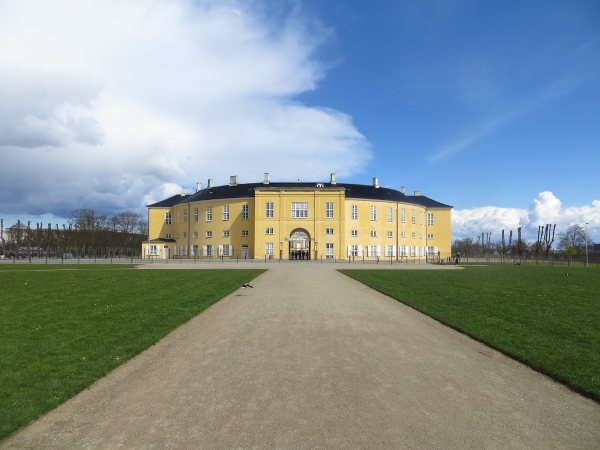
Frederiksberg ist der Ort, in dem meine Freunde wohnen – aber man merkt nicht wirklich, dass das nicht Kopenhagen ist. Angeblich ist es im Winter am einfachsten zu erkennen, denn in Frederiksberg werden die Straßen geräumt, in Kopenhagen nicht. Wie auch immer: aus der Haustür raus fällt man quasi direkt in den nächsten Park, der überraschenderweise der Frederiksberg Park ist. Ich kam nicht umhin zu bemerken, dass es schon so seine Vorteile hat, wenn offenbar jedes Mitglied eines Königshauses seinen eigenen Park angelegt bekommen hat über die Jahrhunderte…

Frederiksberg is the town where my friends live – but you don’t notice that it’s not Copenhagen anymore. Apparently, the easiest time to tell is in winter, when the snow gets plowed in Frederiksberg but not in Copenhagen. Anyhow, you get out their door and practically fall right into yet another park which not all that surprisingly is called Frederiksberg Have. I marvelled at the advantages it has when over the centuries each and every member of the royal family got their own park…

FRED5

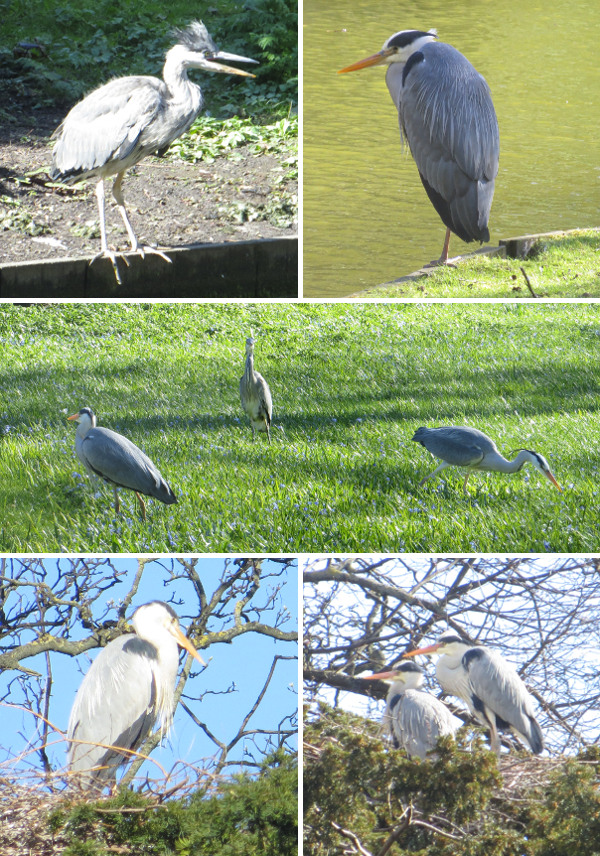
FRED3Mit ganz kleinen Kindern kann man hier wohl einen billigen Zoobesuch vorgaukeln, denn neben den Reihern gibt es zahllose Enten und anderes Federvieh UND: man kommt direkt ans Elefantengehege des angrenzenden Zoos ran. Den Herrschaften war es an dem Morgen aber wohl zu kalt, um sich aus dem Haus zu trauen. Wer kann es ihnen verdenken – das Wetter war sich wieder nicht wirklich einig…

With the very little ones, you can easily pretend that you’re going to the zoo – what with the large heron colony and numerous ducks and other fowl AND: you can get to the elephant compound in the adjoining zoo. But that morning it was probably too cold for them to venture outside. Who can blame them – again, the weather didn’t really know which way to go…

FRED6

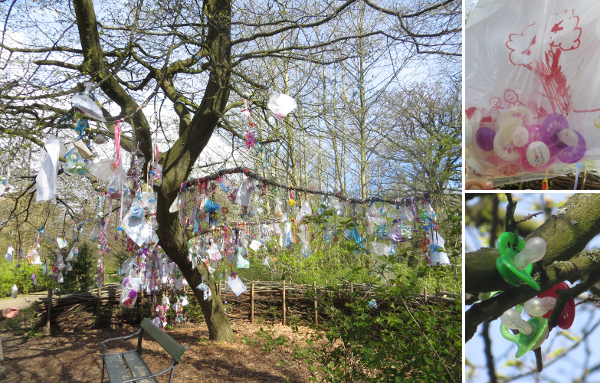
Wenn wir gerade schon von den ganz Kleinen sprechen: dieser Schnullerbaum steht auch im Park – wie die Zahnfee, nur anders. Hier werden alle Schnuller aufgehängt und oft mit Nachrichten versehen wie „Es war schön mit euch. Aber ich bin jetzt ein großes Mädchen und brauche euch nicht mehr. Vigga, 3 Jahre.“ Oder: „Du kannst meine Schnuller haben, wenn ich ein Rennauto bekomme. Victor.“ Oder: „Pass gut auf meine Schnuller auf. Ich werde sie vermissen.“

Talking about the little ones: this pacifier tree can also be found in the park – somewhat like the tooth fairy but different. The pacifiers are hung on the tree, often with letters attached to them: „We had a great time. But I’m a big girl now and don’t need you anymore. Vigga, 3 yrs.“ Or: „You can have my pacifiers if I can get a race car. Victor“ Or: „Take good care of my pacifiers. I will miss them.“

FRED4

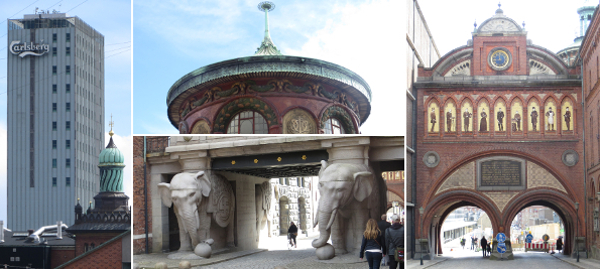
Wieder ist nur eine Straße zu überqueren und schon ist man im nächsten Park, Søndermarken, den wir an seiner Hauptachse abgelaufen sind, um dann in das Gebiet der Carlsberg Brauerei zu kommen, das gerade in einem gigantischen Umgestaltungsprozess begriffen ist. Seit 2008 wird hier kein Bier mehr hergestellt und es entsteht ein vollkommen neues Wohngebiet mit ca. 3.000 Wohnungen und der entsprechenden Infrastruktur dazu (U-Bahn inklusive). Der große Carlsberg-Turm soll wohl auch der Abrissbirne zum Opfer fallen, aber viele der wunderbaren alten Backsteingebäude werden in das Gesamtkonzept eingebunden und eine Nutzungsänderung erfahren. Ein bisschen zur Geschichte der Brauerei inklusive Ausblick gibt es hier zu lesen, detailliertere Infos zum Masterplan der Firma Entasis hier. Das würde ich mir in zehn Jahren gerne nochmal ansehen.

Again it’s only a road to cross to get to the next park, Søndermarken, which we walk through along its main axis to reach the premises of the (former) Carlsberg breweries which are undergoing a major redevelopment. The activities of the brewery stopped in 2008 and now this will become a new neighborhood of Copenhagen, featuring 3,000 apartments and related infrastructure (including a subway stop). The landmark Carlsberg tower will soon fall victim to the wrecker’s bell, too, but many of the wonderful old brick buildings will become a part of the new concept and experience a change of use. If you’re interested in details of the brewery’s history as well as a glimpse at its future, have a look here. For more detailed info on the redevelopment by the architectural firm Entasis, check this out. I for myself would love to come back in, say, ten years and have a look at it again.

FRED8

FRED2„Selbst Supereltern können mal Hilfe brauchen“ heißt es in der U-Bahn – in der übrigens vergleichsweise wenig Sitzplätze sind, dafür viel Platz für Kinderwagen und Fahrräder. Nicht, dass viele Fahrräder in der U-Bahn unterwegs wären…

„Even Superparents are in need of help sometimes“ reads a sign in the subway – which by the way has decidedly fewer seats than any other I’ve been on before but thereby more room for strollers and bikes. Not that many would take their bikes to the subway, there’s no need for that here…

FRED9

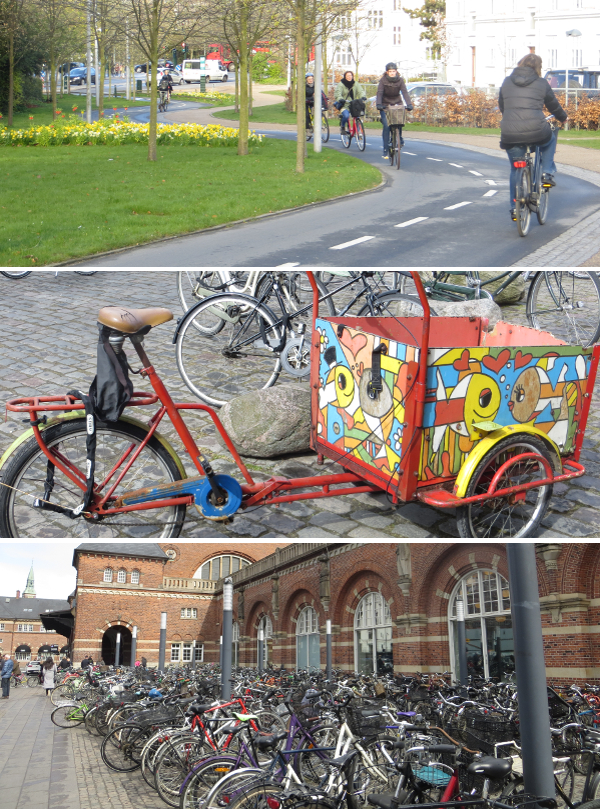
… wo man eigene Fahrradstraßen hat, wo an größeren Straßen die großzügige Fahrradspur durch parkende Autos vom motorisierten Verkehr getrennt ist, wo es unfassbar viele Stellplätze für Fahrräder gibt, oft ausgestattet mit Stationen zum Aufpumpen, wo MASSEN an Spaziergängern entlang der Kopenhagener Seen (siehe unten) ganz selbstverständlich auf ihrer, einfach durch eine durchgezogene Linie abgetrennten, Seite des insgesamt vielleicht 3,50 m breiten Weges bleiben, sich umgucken, bevor sie dann doch mal wegen Stau auf die Fahrradspur ausweichen müssen, wo ich unter sicher tausenden Radfahrern nicht einen einzigen mit einer gelben „high visibility“-Weste gesehen habe – die braucht auch keiner. Ich hatte leider keine Gelegenheit, selbst Rad zu fahren (obwohl es dazu an jeder Ecke alle denkbaren Möglichkeiten gibt, Leihstationen, die per Kreditkarte funktionieren, mit Rädern, die mit eigenem Navi in A5 ausgestattet sind…) – das ist ein Muss für den nächsten Besuch.

… where there are separate bike roads, where on large thoroughfares the generous bike lane is separated from motorized traffic by a row of parked cars, where there are unfathomably many parking sites for bikes, often featuring an electric bicycle tire inflator, where CROWDS of Sunday afternoon strollers along the Lakes (see below) naturally stay on their half of a maybe 3.5 meters wide path, divided only by a white line on the ground, and should they need to venture out on the bike path turn around and look before they do so, where among the thousands of cyclists I must have seen not a single one was wearing a „high visibility vest“ – it is not needed. I didn’t have a chance to ride a bike (even though that is somehow a lame excuse: you can rent a bike on practically every corner, in shops or at unmanned stations which you work with your credit card, renting a bike with is own A5-size GPS…) – it’s a must for the next visit.

FRED7

Jetzt ist es gesagt: ich muss zurück 🙂

There, I said it: I have to return! 🙂

Barbara

Café (from the Copenhagen series)

Café1
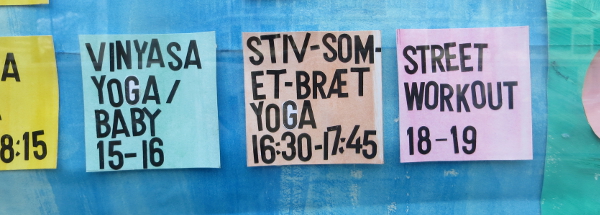
Ein Café, das in einer Kirche beheimatet ist und „Steif-wie-ein-Brett“-Yoga anbietet, hat meine sofortige Aufmerksamkeit sicher. Durch einen Insider-Tipp war ich hierher gekommen, ins Absalon auf dem Sønder Boulevard im Stadtteil Vesterbro. Mir wurde gesagt, ein Multimillionär habe sich im Ruhestand entschlossen, seiner Heimat etwas zurückzugeben und diese Kirche in eine Art Nachbarschaftshaus umzuwandeln, wo jeder hinkommen und sich vergnügen kann, sei es bei Brettspielen, Tischtennis, einer Tasse Kaffee zum fairen Preis oder eben zum Yoga oder Tanzen für Kinder zwischen 5 und 7 Jahren.

A café that is located in a church and offers „stiff-as-a-board“-yoga is sure of my immediate rapt attention. I had come here via a recommendation from a local, to the Absalon on Sønder Boulevard in the Vesterbro neighborhood. I was told that some multimillionaire, once retired, decided to give something back to the community and created a community center in this church where everybody is welcome to enjoy, be it board games, table tennis, a cup of coffee at a fair price or the yoga class or dance for children between 5 and 7 years of age.

Cafe2

So war das Publikum auch sehr gemischt: einige Kinder, ein Paar in Rennradfahrerkluft, die ihre Pause mit einer Partie Tischtennis garnierten, zwei Nonnen über Kaffee und Kuchen, ein Backpacker und noch einige mehr. Zum Ende unserer Aufenthalts wurden die Tischtennisplatten weggeräumt und weitere Tische aufgestellt, denn warme Mahlzeiten für wenig Geld gibt es hier auch.

The people we encountered were a mixed bunch: a few kids, a couple wearing cycling gear and who spent their break with a round of table tennis, two nuns having a private coffeeklatsch, a backpacker and a few others. Towards the end of our stay the table tennis tables were stowed away to make room for yet more tables as dinner time was approaching – warm meals are to be had for little money, too.

Cafe3

Wir kamen (zufällig) nochmal zurück, sonntags so um die Mittagszeit, und es war full house – eine wirklich ganz wunderbare Atmosphäre, weil man sich mit wildfremden Leuten an einen Tisch setzt und gar nicht anders kann, als ins Gespräch zu kommen. Die alternative Nutzung von Kirchen ist in katholisch geprägten Teilen Deutschlands ja noch nicht so weit verbreitet… aber ich konnte mich des Eindrucks nicht erwehren, dass das genau das war, was Kirche sein soll. Und dieses wunderbare Café möchte ich der dieswöchigen Sammlung auf Our Beautiful World hinzufügen.

By chance we passed the café again about lunchtime on Sunday and it was absolutely crowded – a really welcoming atmosphere where you sit down at the long table and start to chat with people you’ve never met before because what else should you do? I think that the alternative use of churches is still quite rare in areas of Germany where Catholicism left its mark… but I couldn’t help thinking that this place was exactly what „church“ is about. I’d like to add this wonderful café to this week’s collection over at Our Beautiful World.

Barbara

Another Day in… COPENHAGEN!

CPH2_1
Eine schwere Entscheidung am Vormittag: Hafenrundfahrt ja oder nein? Im Rücken sah es aus wie oben – auf’s Wasser geguckt wie unten. Vielleicht haben wir auch einfach ein schlechtes Omen ignoriert. Wir hatten uns im Boot noch nicht gesetzt als es PLATSCH! machte und ich nur dachte „Was ist denn da ins Wasser gefallen?“ Es stellte sich raus, es war der Fahrer eines höllisch nah am Kairand geparkten LKWs. Danach entweder schwerst traumatisiert und quasi bewegungsunfähig oder davor schon nicht nüchtern. Wer kann es schon so genau sagen. Trotz Leiter dauerte es verdammt lange, bis er sich aus dem Hafenbecken bewegen konnte.

It was a difficult decision in the morning: harbor cruise yes or no? The picture above shows what it looked like in our backs – but when we turned our heads to the harbor, it looked like the picture below. Maybe we just ignored a bad omen. We hadn’t even taken our seats yet when something went SPLASH! and I was wondering what could possibly have hit the water. Well, it was the driver of a truck that had been parked incredibly close to the edge of the quay. Afterwards, he was either heavily traumatised and practically unable to move or he hadn’t been sober to start with. We will never know. Despite having a ladder at his disposal, it took forever before he got out of the water.

CPH2_2

Das erstaunlichste: ich konnte nicht einen einzigen Menschen ausmachen, der Smartphone oder Kamera gezückt hätte, um das Missgeschick zu dokumentieren. Wie auch immer: es stellte sich heraus, dass wir uns wettertechnisch den allerschlechtesten anderthalbstündigen Zeitraum ausgesucht hatten. Die Wolken holten uns ein, abwechselnd mit Regen, Hagel, Schnee und Schneeregen. Dazu eine steife Brise. In einem nicht überdachten Boot. Aber immerhin mit Regenponchos. Die Zahl der Fotos von unterwegs hielt sich also leider in eng gefassten Grenzen.

The most amazing thing about it all: I couldn’t see a single person trying to record this unlucky guy on their smartphones or cameras. Anyhow, it turned out we had chosen the worst 90-minute stretch (weather-wise) of the day. The clouds caught up with us and showered us in rain, hail, snow and slush. Add a stiff breeze to that. And an uncovered boat. But with rain ponchos. As you can imagine, there are not many pictures to tell the tale.

CPH2_4

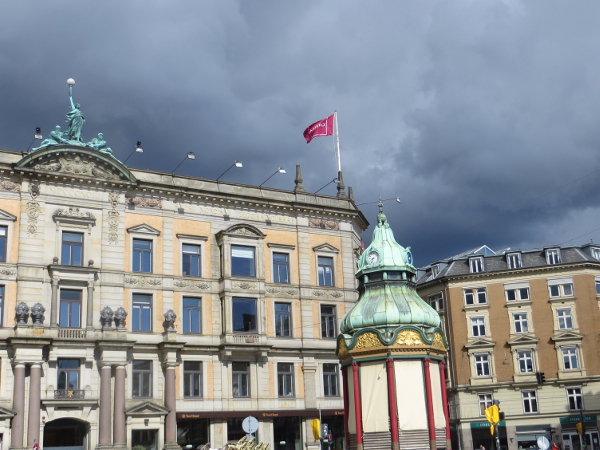
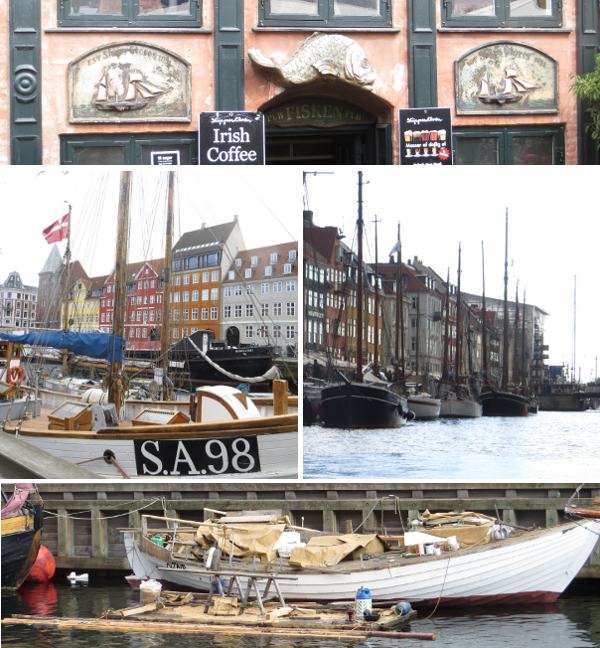
Nach einer Kaffeepause mit leckerem dänischen Gebäck haben wir uns dann Nyhavn, Start- und Endpukt der Rundfahrt, dann auch nochmal angesehen – eine sehr malerische Ecke, wenn auch gespickt mit Restaurants, die wohl hauptsächlich von Touristen frequentiert werden.

After a coffee break with delicious Danish pastries we returned to Nyhavn, the start and end point of the cruise – a picturesque area but of course crowded with restaurants that mainly cater to tourists.

CPH2_5

CPH2_6

CPH2_9Die Sonne war dann wieder da und wir haben uns auf einen Abstecher nach Tokyo gemacht – zur Kirschblüte am Kastell. So richtig japanisches Flair wird wohl kommendes Wochenende entstehen, denn die japanische Gemeinde Kopenhagens trifft sich dort zum traditionellen Kirschblütenpicknick. Nachdem wir pro Kopf ca. 150 Fotos gemacht hatten, saßen wir im Sönnchen und haben Mittagspause gehalten. Hier der Foto-Flash:

The sun was back and we went on a stroll to Tokyo – to see the cherry blossoms at the fort. Apparently, it will have a true Japanese atmosphere next weekend when the Japanese community of Copenhagen meets there for a traditional picnic underneath the blooming cherry trees. After we had taken about 150 pictures each we sat down in the sun and had lunch. Now choose your favorite:

CPH2_10

Nur wenig weiter kommt man zu vielleicht dem Wahrzeichen Kopenhagens, der Kleinen Meerjungfrau. Ein schönes Beispiel dafür, wie so ein Zoom ein vollkommen falsches Bild vom Umfeld zaubern kann.

Only a stone’s throw away we reached a Copenhagen landmark: the statue of the Little Mermaid. A wonderful example of how the zoom function on your camera enables you to create a scene that doesn’t have much to do with reality.

CPH2_11

Wie oben schon erwähnt ist dieser Bereich nahe des Kastells – das mir auf der Karte von Dänemark durch seine regelmäßige (und voll erhaltene) fünfeckige Form auffiel. Es wird auch heute militärisch genutzt, ist aber offen für Besucher, die u.a. den Wall ablaufen können.

As mentioned above, this area is close to the fort – which caught my eye when looking at a map of the city due to its form of a pentagram. It’s being used by the military today, too, but is open for visitors who can walk the ramparts etc.

CPH2_8

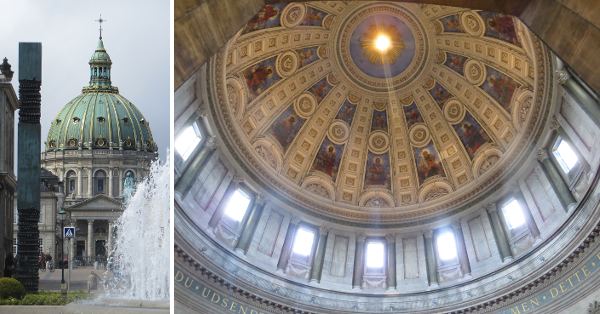
Die Sonne verabschiedete sich leider wieder völlig, der Wind nahm zu – und der nächste Regenschauer war unausweichlich. So haben wir uns auf dem Weg in die Fußgängerzone (und zu dem einen oder anderen Kreativladen…) noch die Marmorkirche angesehen:

The sun had disappeared but the wind increased – and the next rain was imminent. So we walked towards the main shopping area (to see a couple of craft stores) and had a look at the Marble Church on the way:

CPH2_3

Ich hätte Wanderschuhe mitnehmen sollen! Mal sehen, was der nächste Tag noch bringt…

I should have brought my hiking boots! Let’s see what the third say will have in store for us…

Barbara

A Day in… COPENHAGEN!

CPH1_3
Da bin ich mal wieder… und doch schon wieder unterwegs! Fragt mich nicht nach Sonnenschein – oder vielleicht doch, denn davon gab es heute viel. Ein zweimal geplanter und zweimal abgesagter Besuch in Kopenhagen hat nun endlich geklappt – ein verlängertes Wochenende in der dänischen Hauptstadt und zum Auftakt ein wunderbarer Frühlingstag, den Mensch und Tier offenbar gleichermaßen genossen haben.

Hello, it’s me… on the road again! I’ve finally made it to Copenhagen, a visit that was planned and cancelled twice. But now it’s real: an extended weekend in the Danish capital and a gorgeous spring day to start with and apparently not only the bipeds were enjoying it to the full.

CPH1_4

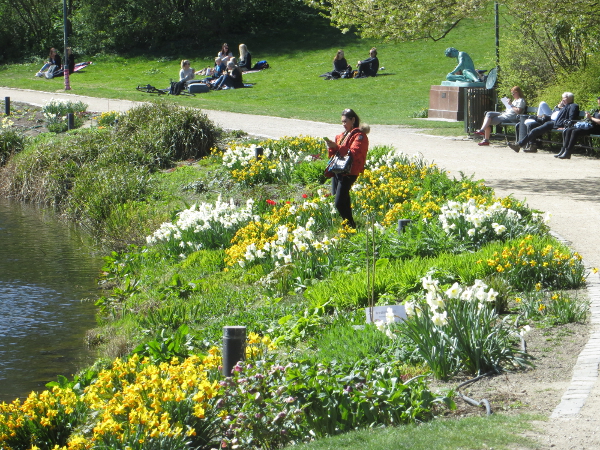
CPH1_6Begonnen haben wir den Tag im Botanischen Garten – wo Dinge ausdrücklich erlaubt waren, nicht verboten: man mache sich ruhig auf den Wiesen breit. Worin jedoch der spezifische Reiz liegt, im Tulpenbeet die What’sApps zu checken hat sich mir nicht erschlossen.

We started out in the Botanical Gardens – where for a change things were explicitly allowed, not forbidden: please do use the lawns. Why one would choose the tulip bed to check their What’sApps remains a mystery, though.

CPH1_8

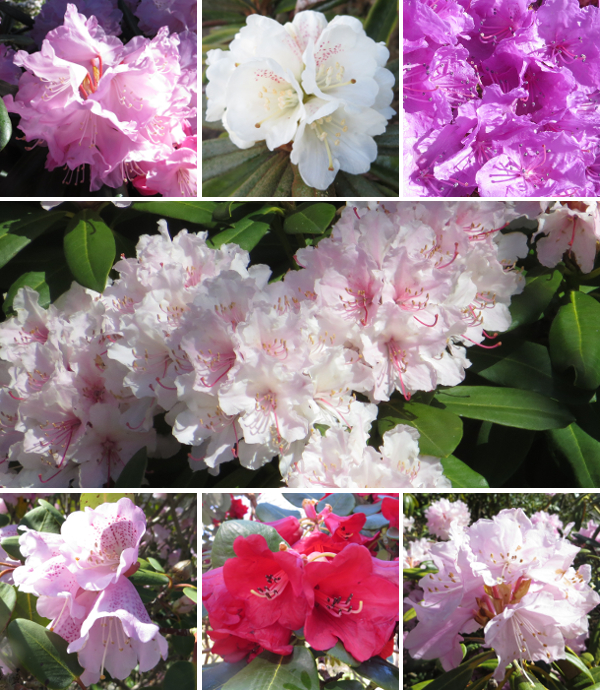
In den Botanischen Garten um die Ecke habe ich es in diesem Jahr ja noch gar nicht geschafft (unvorstellbar!) und habt ihr sie nicht auch schon vermisst? Die weiß-rot-pink-gelb-orange Blütenpracht? Die Rhododendren, meine ich? Es geht mir zwar nichts über das berühmt-berüchtigte Rhododendron-Rondell, aber ich denke, da werden einige schon durch sein, bevor ich den ersten Blick darauf werfe. Aber im Land von Carlsberg und Smørrebrød sind sie gerade in ihrer vollen Pracht zu bewundern:

I have not made it yet to „my“ botanical gardens around the corner this year (can you imagine?) and haven’t you missed them, too? The white-red-pink-yellow-orange flower power? The rhodies, I mean? In my humble opinion the notorious circular rhododendron bed at home is unsurpassed but I think some of them will have come and gone by the time I get to have a look at them. But in the land of Carlsberg and Smørrebrød you can see them at their best just now:

CPH1_2

Aber auch sonst ist einiges gebacken und die Bienen arbeiten eifrig an der ersten Ernte, die man ihnen dann bald klaut…

But of course they are not alone and the bees are working overtime now to bring in the first harvest – which they will soon be robbed of!

CPH1_1

Vom Botanischen Garten überquert man praktisch nur die Straße hinüber zum Königlichen Garten, einem weiteren Park, in dem das Rosenborg Slott steht. Da gibt es zu noch laubfreien Zeiten auch mal einen etwas anderen Blick auf das 1606 von Christian IV ursprünglich als Sommerhaus gebaute Schloss, das heute unter anderem die Kronjuwelen beherbergt. Aber ihr kennt mich… bei gutem Wetter besteht keine Chance auf einen Museumsbesuch.

You just need to cross the street from the Botanical Gardens to reach the King’s Gardens, where Rosenborg Slott is located. The missing foliage allows for a somewhat different view of the palace which was built as a summer house by Christian IV in 1606. Today, the crown jewels are on display there (among many other exhibits). But you know me… museums don’t stand a chance as long as the weather is good.

CPH1_10

CPH1_12

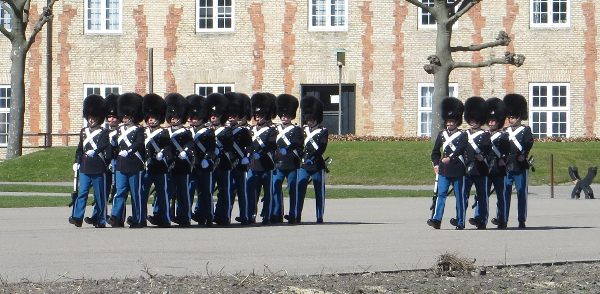
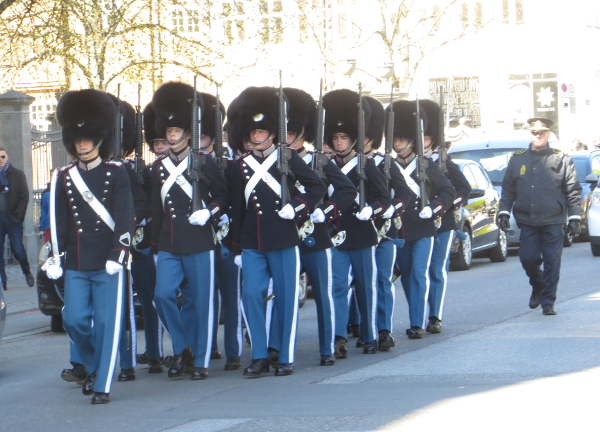
Auf dem Hof der angrenzenden Kaserne haben diese Herrschaften noch einigen, nicht immer ganz klar identifizierbaren Spökes veranstaltet – was wohl die Aufgabe des Quartetts in zweiter Reihe ist? Die sind unverrichteter Dinge wieder abgezogen, als sich der Rest der Truppe auf den Weg zur Wachablösung machte. Nicht ohne eingehende vorherige Prüfung der Uniformen allerdings. Vielleicht waren die die Reserve, falls irgendwo eine Bügelfalte falsch lag oder ein Fleck am Revers war? Oder ein Gewehr nicht richtig sauber?

These gentlemen were going through some not always identifiable routines in the adjoining barracks yard – and we kept wondering about the quartet in the second row, too. They just left seemingly unnoticed when the rest of the squad started for the changing of the guard. But first all the uniforms were checked (that’s what it looked like, anyway). Maybe they were on standby in case some crease was wrong or a spot on the lapel? Or the rifle not properly cleaned?

CPH1_13

CPH1_14

CPH1_7Wir sind ihnen dann nicht zum Amalienborg Slott hinterhergelaufen, denn wir hatten interessanteres vor: den Runden Turm. Auch für den zeichnet Christian IV verantwortlich: ein Observatorium, in dem (bis auf das letzte Stück) keine Treppe nach oben führt, sondern ein 209 Meter langer spiralförmiger Gang, in dem sich Menschen und Fuhrwerke ziehende Pferde den Drehwurm holen können. Das Warnschild auf der Aussichtsplattform auf dem Dach war nicht von Relevanz, der Blick war so galaktisch gut, dass wir noch jenseits der Öresundbrücke auf Schweden gucken konnten.

We did not follow them all the way to Amalienbirg Slott because we had more interesting things on our minds: the Round Tower. Another architectural gem from the reign of Christian IV: an observatory that you don’t reach via stairs (only the very last bit) but via a spiral ramp, a helical corridor where men and horses alike get dizzy ascending it. We chose a day when the warning sign on the roof-top terrace was redudant: the view was excellent, all the way to the Öresund bridge and beyond we could see the Swedish shoreline.

CPH1_5

Hier und da und nebendran sind mir natürlich wieder viele Dinge aufgefallen. Unglaublich leckere Smørrebrød in den Torvehallerne, wo wir eine Mittagspause eigelegt haben. Flohmärkte an jeder zweiten Straßenecke. Wieder ein ÖPNV-System, das Vielfahrer so richtig belohnt. Wahnwitzige Portopreise (ca. 3,50€ für eine Postkarte nach Europa, 4,20€ für die USA – da hab ich euch dann vielleicht doch nicht so gern…). Das „dänischer-Koch-aus-der-Muppet-Show-Feeling“ schon in der Metro vom Flughafen. Und der Fahrradverkehr… dafür muss ich mir mal mehr Zeit nehmen.

Here and there and everywhere I took note of a thing or two. Incredibly delicious Smørrebrød in Torvehallarne, where we had lunch that day. Flea markets on every other street corner. Another public transport system that really rewards people for using it a lot and regularly. Insane postage prices (about 3.50€ for a postcard to Europe, 4.20€ for the US – I might not love you all that much after all). The „Swedish-cook-from-the-Muppet-Show-feeling“ on the metro ride from the airport already (who, by the way, is a DANISH cook in the German dubbed version). And then bicycle traffic – I have to get back to that in more detail some other time!

CPH1_9

Füße platt gelaufen und Sonnenbrand geholt – ich lerne nicht dazu! Grüße aus Kopenhagen!

My feet are killing me and the sunburn needs treatment – I just don’t learn! Love from Copenhagen!

Barbara

A Third Day in… OSLO!

SEEF1
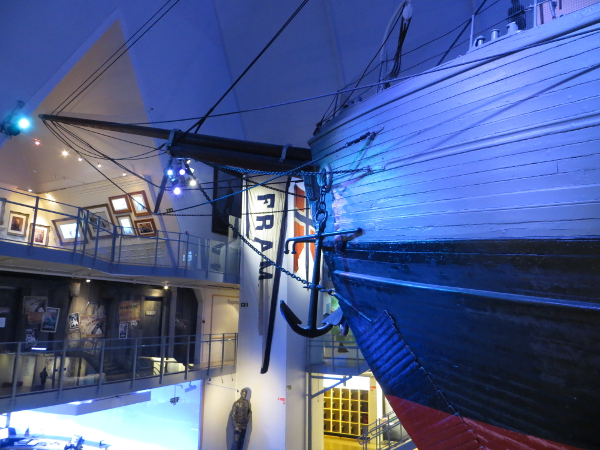
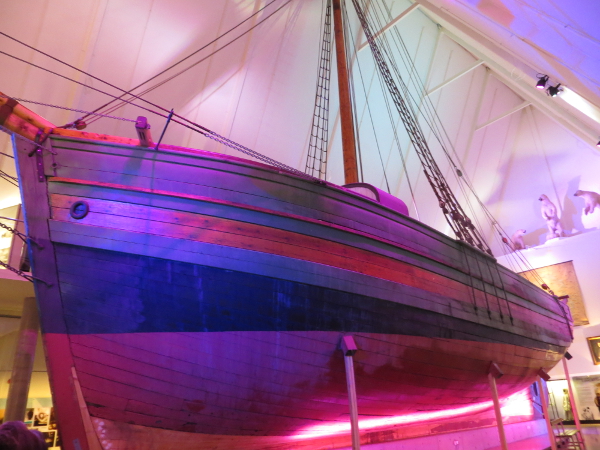
Nach dem Holmenkollenwochenende kam ein Tag mit intensivem Dauer(schnee)regen – also perfekt für Museumsbesuche. Ich habe den Tag dann der Seefahrt gewidmet und auf der Bygdøy-Halbinsel drei Museen besucht. Das erste auf der Liste war das Fram Museum. Die Fram war das Polarexpeditionsschiff von Fridtjof Nansen, mit dem er, eingeschlossen im Packeis, über eine angenommene transpolare Strömung den Nordpol erreichen wollte. Die Fram wurde extra dafür konzipiert – die besondere Rumpfkonstruktion wurde entwickelt, damit der Druck im Packeis das Schiff nicht zerstören konnte.

The weekend spent on Holmenkollen was followed by another day with continous heavy rains – a perfect day to explore the museums. I dedicated the day to seafaring and went to see three museums on the Bygdøy peninsula. I started at the Fram Museum. The Fram was the ship used by Fridtjof Nansen (and others) for his polar expeditions. He had intended to reach the North Pole, deliberately getting stuck in pack ice: it was assumed that there was a transpolar drift and he wanted to make use of that. The Fram was custom made for this expedition, the hull being of a shape that would keep the pressure in the pack ice from destroying it.

SEEF2

Mit der Fram kam er nicht am Nordpol an (die Strömung war zu langsam) und auch nicht per Ski, womit er am 14. März 1895 aufbrach – aber er erreichte gemeinsam mit Fredrik Hjalmar Johansen am 08. April 1895 86° 13,6′ N; weiter nördlich war vor den beiden keiner gekommen. Zurück haben sie es auch geschafft – am 21. August 1896 konnten sie in Norwegen ein Wiedersehen mit der Fram und ihrer Besatzung feiern.

They did not make it to the North Pole aboard the Fram (the drift was too slow) and not on skis either: on March 14, 1895 he set out with Fredrik Hjalmar Johansen to reach it on skis. By April 8 of the same year they reached 86° 13,6′ N – they were the first to make it that far north. They also made it back home to Norway where they arrived on August 21, 1896 and were reunited with the Fram and its crew.

SEEF4

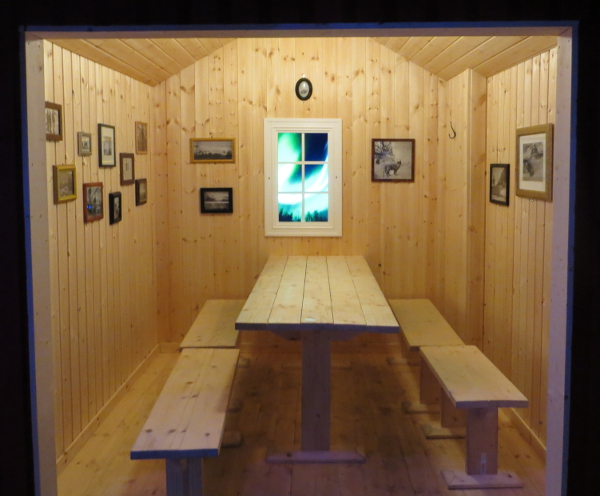
Mir hat das Museum aus den verschiedensten Gründen sehr gut gefallen. Der Hauptgrund war mit Sicherheit die Tatsache, dass man auf die Fram drauf durfte und sich ein Deck nach dem anderen angucken konnte. Resultat: ich hätte wahrscheinlich schon im Hafen an einem windfreien Sommertag Beklemmungen gekriegt – der Gedanke, darauf JAHRE im Eis zu verbringen… erscheint mir ähnlich wahnwitzig, wie sich für eine no return Mission zum Mars anzumelden. Naja, ich bin wohl doch kein Entdecker. Es gab unglaublich viel Information zu sehr vielen Teilaspekten dieser und anderer Expeditionen und zum Leben und Schaffen von Fridtjof Nansen, die ich sehr gut aufbereitet fand. Dazu dann einiges zum „Erfahren“: man konnte sich in ein Geschirr begeben, mit dem das Ziehen eines mit 300kg Ausstattung beladenen Schlittens simuliert wurde. Reaktionsspiele, ein Simulator der Situation unter Deck in eisigen Temperaturen, während das Packeis am Schiff zieht und zerrt und anderes. Letztlich das Museums-Café, eine Ansammlung kleiner roter Hütten, in denen man sich aufwärmen konnte, während vor dem Fenster das Polarlicht spielte.

I enjoyed the museum very much – for different reasons. The fact that you were allowed aboard the Fram and to check out one deck after the other was probably the main reason. Conclusion: I think I would have developed claustrophobia even on a quiet day in the harbor – just the thought of spending YEARS on it and much of that trapped in pack ice… seems to be about as crazy as signing up for one of these no return Mars missions. Well, I guess I don’t have an explorer’s heart. There were loads of information on many aspects of this and other expeditions as well as on the life and accomplishments of Fridtjof Nansen which I found very well presented. And then also a lot to experience: a harness to put on and simulate the strain of pulling a 300kg sled in the Arctic. Games to test your reaction, a simulator to experience life onboard in freezing temperatures and the ice pulling and pushing at the ship. And then also the museum café, a collection of little red huts to warm up in while the Northern Lights were performing outside the little window.

SEEF3

Verbunden durch einen Tunnel geht es zur Gjøa, dem ersten Schiff, das die Nordwestpassage durchfuhr. Die Pause zwischen den beiden Gebäuden war zu kurz – ich konnte mich nicht mehr so ganz darauf einlassen. Beeindruckt war ich allerdings von der 28-minütigen Dokumentation über die Expedition Ernest Shackletons mit der Endurance. Darüber hatte ich relativ kürzlich noch einen Artikel gelesen – ein Unternehmen, bei dem so ziemlich alles schiefging (die Endurance wurde vom Packeis zermalmt… aber, kurz gefasst, alle kamen heil wieder zuhause an).

The museum is connected via a tunnel to another building that houses the Gjøa, the first ship to sail the Northwest Passage. The break between the two museums was too short – I couldn’t really engage with this second one. I was impresesd, though, by a 28-minute documentary on Ernest Shackleton and the expedition aboard the Endurance. I had recently read an article on that – an expedition where just about everything went wrong (the Endurance was smashed by the pack ice… but, in a nutshell: all got home safely).

SEEF5

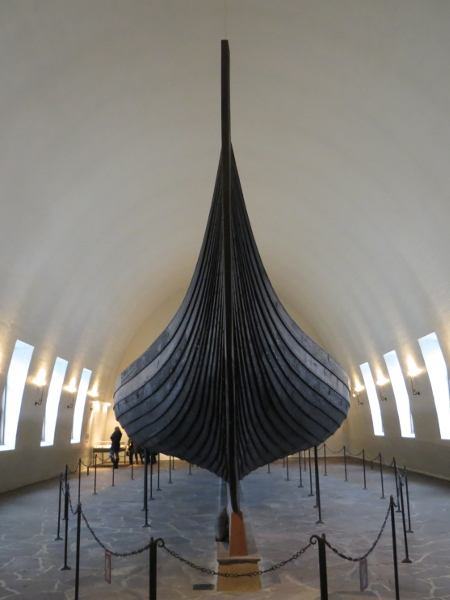
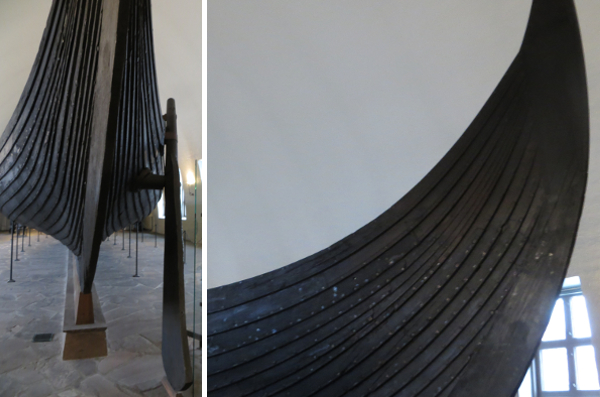
Doch auf zum nächsten Museum, das der Wikingerschiffe. Dort sind Wikingerschiffe ausgestellt, die im Gebiet des Oslofjords ausgegraben wurden. Gebaut zwischen 820 und 910 dienten sie nach geleistetem Dienst auf See als Grabschiffe. Auf den Schiffen gab es hölzerne Grabkammern und großzügige Grabbeigaben, allerdings waren weder Waffen, noch Schmuck vorhanden, denn noch in der Wikingerzeit kam es zu ersten Plünderungen.

But on to the next museum, that of the Viking Ships. Three Viking ships found in the Oslo Fjord area are on display. They were built between 820 und 910 AD and after serving on sea they were used as burial ships. Wooden burial chambers were erected onboard and the dead were buried with generous supplies. Alas, no weapons or jewelery remain as the grave sites were looted in the Viking Age already.

SEEF7

SEEF11

Das Museumsgebäude ähnelt einer Kirche und mein erster Gedanke beim Betreten war, wie passend das aussieht. Nur um festzustellen, dass man neue Pläne hat. Ich konnte nicht anders als mich fragen, warum man das würde ändern wollen. Angeblich entspricht es nicht mehr modernen Anforderungen an Museen (kein Café??). Oder will man mehr zur Wikingerzeit allgemein ausstellen? Es gab einen Designwettbewerb und da eine Kommission feststellte, dass die Schiffe vielleicht besser doch nicht mehr bewegt werden sollen, wird das bestehende Gebäude wohl Teil des Neubaus. Da kann man ja mal gespannt sein.

The museum building is church-like and when I entered my first thought was „wow, how appropriate!“ Only to find out that there are new plans. I couldn’t help wondering why one would want to change it. Apparently, the museums is not up to modern „museum standards“ anymore (no café??). Or are there more finds that should be made accessible to the public and there’s no room here? There was a design competition and as some expert panel had decided that the ships should not be moved again after all, the existing building will be part of the new development. I will be interested to see how that turns out.

SEEF9

SEEF8

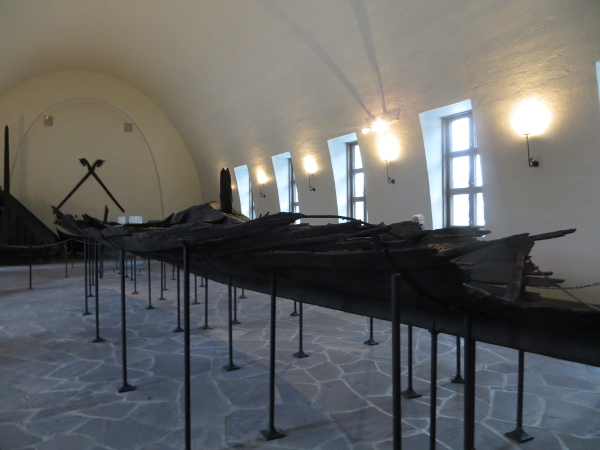
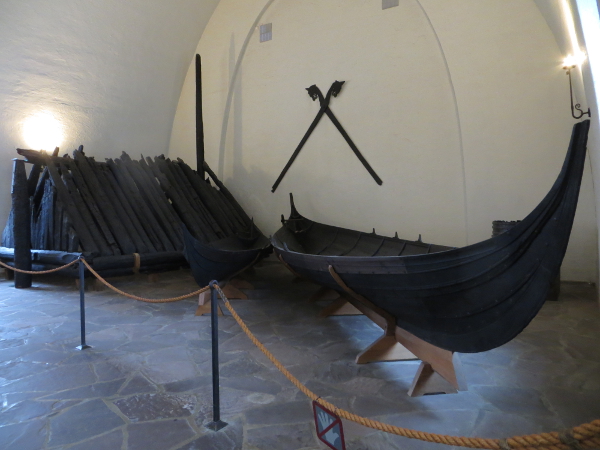
Vom dritten Schiff ist nicht mehr soviel erhalten, aber hier gibt es eine der Grabkammern zu bewundern, sowie zwei kleinere Boote, die auch Grabbeigaben waren.

The third ship is not as well preserved but in its room one of the burial chambers is on display, too, as well as two smaller boats which were also burial objects.

SEEF10

SEEF12

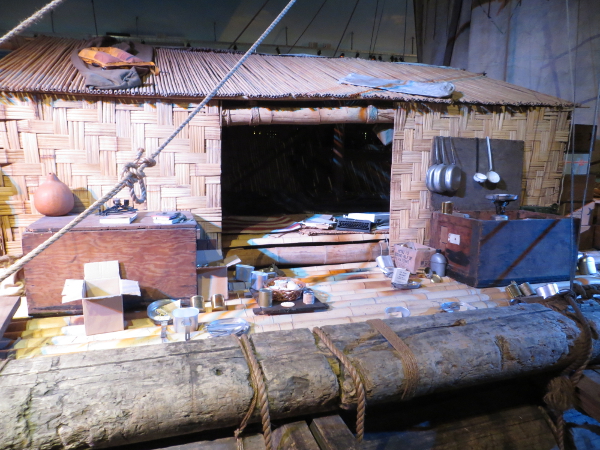
Letzte Station war das Kon-Tiki-Museum. Die Kon-Tiki ist ein Balsafloß, mit dem Thor Heyerdahl 1947 den Pazifik überquert hat – um nachzuweisen, dass über die Strömungsverhältnisse schon vor 1500 Jahren eine Überquerung möglich war.

My last stop was the Kon-Tiki Museum. The Kon-Tiki is a balsawood raft that Thor Heyerdahl built and sailed across the Pacific in 1947 – to prove that the strong currents would have allowed for a crossing as early as 1500 years ago already.

SEEF13

Das Floß selbst und die Hintergründe für diese Expedition waren sehr interessant. Insgesamt aber fand ich das Museum überladen mit einem Hang zum Vergnügungspark. Ich würde es nur empfehlen, wenn man pünktlich zur Aufführung des Oscar-prämierten Dokumentarfilms kommt, der täglich um 12 Uhr im hauseigenen Kino gezeigt wird. Da war ich natürlich zu spät dran.

I found the raft as such as well as all the background information on the expedition very interesting. But in all, I found the museum overloaded and with a strong leaning towards an amusement park. I will recommend it, though, if you plan to be there in time to see the 12 noon screening of the Oscar-wining documentary which is shown in the museum’s own cinema. Of course, I was too late for that.

SEEF14

Auf der Bygdøy-Halbinsel bleiben auch für meinen nächsten Besuch noch weitere Museen übrig… die Planung kann beginnen!

There are a few museums left on the Bygdøy peninsula that I will look at next time… let the planning begin!

Barbara

A Day on… HOLMENKOLLEN!

HOL4
Über türkischer Pizza (einmal mit, einmal ohne Fleisch) mit einer Kollegin Ende Oktober 2015 kam es auf einmal über mich: „Ich werde zum Holmenkollen fahren, jawoll!“ Sie sah mich nur verständnislos an und fragte: „Was ist das, Heulenkeulen?“ Das war bei uns zuhause, so lange ich denken kann, ein Begriff. Holmenkollen, Kandahar, Lauberhorn, Hahnenkamm – wo auch immer Wintersport auf Skiern in jedweder Form stattfindet: wir sind dabei. Mittagessen, die entweder vorverlegt oder mit Blick auf die ersten Starter eines traditionellen Abfahrtsrennens eingenommen werden. Gespült wird, wenn gerade Nachrichten kommen, bevor es dann zum Biathlon an einen anderen Standort geht. Aber der Holmenkollen, der hatte es mir immer besonders angetan.

One day back in October 2015 I was having lunch with a colleague when it suddenly hit me: „I will go to Holmenkollen, yes!“ She just looked at me blankly and asked: „What’s this Heulenkeulen?“ In my family Holmenkollen had been a household name as long as I can remember. Along with Kandahar, Lauberhorn and Hahnenkamm – any place where professionals (and others, for that matter) compete on skis of any kind, we would be „there“. Lunches that were either eaten earlier (due to the race schedule) or taken while watching the first starters of a traditional downhill race. Dishes can wait for the first news program before they switch venues and start the broadcast from the biathlon race. But I had always been particularly taken with Holmenkollen.

HOL5

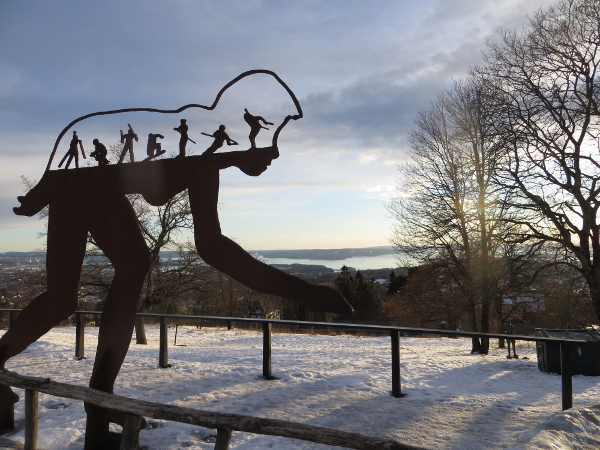
Der Holmenkollen ist sozusagen der Hausberg von Oslo. Man kann sich in der Innenstadt in die U-Bahn Nr. 1 setzen und direkt hinfahren, auf gut 300 m hoch, und man weiß, man ist in der richtigen Bahn, wenn immer mehr Leute im Skidress und den Brettern in der Hand zusteigen. Daran erinnere ich mich auch noch vom Besuch 1998. Da waren wir auch oben und die Arena eine Baustelle. Die ganze Anlage ist absolut malerisch und das Holmenkollen Skifest, zu dem ich angereist war, ist ein echtes Volksfest. Da sind die Skispringer, Skilangläufer und Nordische Kombinierer alle an einem Wochenende da – man kann sich also die volle Dosis geben.

Holmenkollen is basically Oslo’s landmark mountain. You can board subway line no. 1 downtown and just go there, climbing 300 meters in elevation – and you know you’ve boarded the right train when more and more people in ski dress and skis in their hands get on. That was already a fascinating sight when I was here in 1998. We had been up there to check out the arena, too, but it was under construction. The whole complex is just picturesque and the Holmenkollen Skifest for which I had come here, is a real festival. The professional ski jumpers, cross country and nordic combined skiers come here all on one weekend – you can have it all.

HOL13

Auftakt war das Damenskispringen am Donnerstag – und hier handelt es sich übrigens mal um Abendsonne! Ich gebe zu, so wirklich interessiert war ich nicht, aber ich hatte die verheerende Wettervorhersage für das Wochenende gehört und entschieden, dass ich allein wegen der Fotos rauf musste. Das Sprungstadion ist absolut beeindruckend. Es ist das dritte, das ich live kennengelernt habe und ich muss sagen, kein anderes hat mich bislang so still werden lassen. Vielleicht geben die Fotos ja wieder, wie steil der Aufsprunghügel hier ist. Du könntest mich mit Skiern unterhalb des Schanzentisches abstellen und ich würde mir in die Hose pinkeln, wenn ich nur runterfahren sollte.

The first event was the Ladies‘ Ski Jumping World Cup – and by the way, this is evening sun for once! I admit, I wasn’t really interested in this event but I was up to date on the devastating weather forecast for the weekend and decided I needed to come up here for the pictures to start with. The ski jump arena is really impressive. It’s the third that I have seen IRL and I have to say that the other two didn’t make me stand there in awe as much as this one did. Maybe the pictures are telling – can you get an idea of just how steep the ramp / landing zone is? You could place me on skies right underneath the platform where they jump off, just to go downhill, and I would be wetting my pants, I’m pretty sure.

HOL2

HOL3

Man kann auch erkennen, wie mangelnd das Interesse an diesem Wettkampf war – aber was sage ich, ich war ja selbst auch nicht deswegen gekommen. Sondern wegen des wunderbaren Schnees in perfekt präparierten Loipen, auf die ich mich eigentlich selbst gern sofort geschmissen hätte, und um rauszufinden, wo ich mich beim 50km-Rennen der Herren am Samstag am besten platzieren würde. Bei der Erkundung der Stadt lasse ich mich vielleicht vom Zufall treiben – auf keinen Fall bei einem so wichtigen Event 😉

You can also clearly see that there was not a whole lot of interest in this competition – but who am I to judge, I came for different reasons myself. For the wonderful snow in perfectly prepared tracks that I would have loved to try myself on the spot. And I had come to figure out where to go to watch the 50km men’s race on Saturday. I might just see where the day takes me when it comes to sight-seeing – but never for endeavours as serious as this one 😉

HOL1

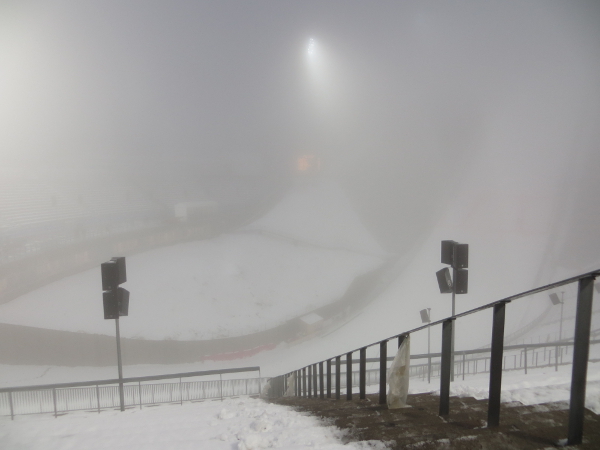
Und es kam, wie es vorher gesagt war. Es wurde warm, es gab Dauerregen und mit der dickste Nebel, den ich je gesehen habe, hielt Einzug. Wann muss man überhaupt losfahren? Die ersten Sonderzüge waren für kurz nach 8 Uhr angesetzt und so habe ich die angepeilt. Ich hatte kaum geschlafen – eine Mischung aus Aufregung und Kaffee nach 17 Uhr – und war noch viel früher wach, so das ich letztlich gegen 8:15 schon im Stadion war. Leider sah es dann dort so aus:

And the weather lived up to the forecast. A warm front came in, bringing continual rainfall and this thickest fog on (my) record. And when would be a good time to go there, anyway? The first special trains were scheduled for shortly after 8 am so I decided that was the time to go. I had hardly slept at all – a combination of excitement and too much coffee after 5 pm, I suppose – and was up even earlier and just left the house. So I reached the stadium by 8:15 already. And had this view:
HOL9

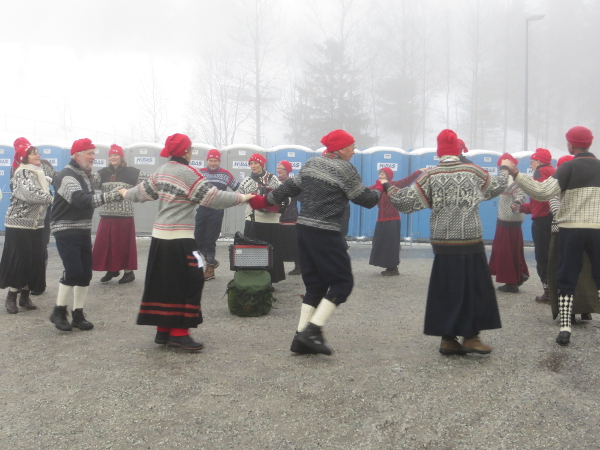
Das Springen der Kombinierer fand um 10 Uhr statt – ich war erstaunt… über die Tatsache und über die auch hier wieder wenigen anwesenden Zuschauer (vielleicht 500?). Am Nachmittag fand noch das Mannschaftsspringen der Spezialisten unter noch schlechteren Bedingungen statt – und wie man nun weiß, wurde das Einzelspringen am Sonntag ganz abgesagt. Die Springer hätten angeblich aus mir vollkommen unerfindlichen Gründen zwar springen können, aber die Jury hätte sie nicht sehen können um die Sprünge zu bewerten. Derweil Volksfeststimmung in pittoresker Umgebung:

The Ski jumping competition for the Nordic Combined event took place at 10 am – I was amazed… about the fact and that again, there were only few spectators (maybe 500?). The team event of the ski jumpers took place in even worse conditions in the afternoon – and as some of you might know, the single event on Sunday was cancelled completely. Supposedly, the jumpers would have still been able to jump but the jury would not have been able to see and judge them. All the while, there was traditional folk dancing in a picturesque setting:
HOL11

Das war mein „Und täglich grüßt das Murmeltier“-Event… denn die Gruppe war am Sonntag an gleicher Stelle wieder unaufhaltsam aktiv. Aber zurück zum Samstag: das Highlight des Wochenendes war für 12:15 Uhr angesetzt, der 50km-Lauf der Herren. Und während ich noch im Sprungstadion in den Nebel gestarrt hatte, waren in meinem Rücken Zehntausende angereist und auf den Weg zu den Tribünen im Langlaufstadion und an die Strecken. Ich hatte am Donnerstagabend an der Haltestelle Holmenkollen noch Ole aus Narvik getroffen, einen Helfer, der mir auf Nachfrage empfahl, mich auf den VM-Haugen (sprich: WM-Hauen) zu begeben. Das sollte sich als guter Tipp herausstellen. Er war ein Helfer-Veteran… schon in Lillehammer sei er dabei gewesen. Als ich dann meinte, das sei für mich eher ein Trauma, weil ich nicht dabei, ergänzte er: „Oh, es war da so furchtbar kalt! Morgens -27 Grad! Da hast du am Fernseher besser gesessen.“ Eine liebe Seele…

That was my Groundhog Day event… because this group was back there in the same spot when I returned on Sunday. But back to Saturday: the top event of the whole Skifest was scheduled to start at 12:15, the men’s 50km cross country race. And while I had been staring into the fog in the arena, there had been tens of thousands of people passing behind my back, going to the cross country arena and the tracks. When waiting for the train back on Thursday evening, I had met Ole from Narvik, a volunteer who I had asked where to best position myself to watch the race. He was very clear: VM-Haugen. And that turned out to be a perfect tip. He was a veteran volunteer… he was already onboard back in Lillehammer 1994. When I mentioned that that was more of a trauma for me because I had not been there he added: „Oh, but it was so very awfully cold! – 27°C in the mornings! You were much better off in front of the TV.“ What a darling.
HOL10

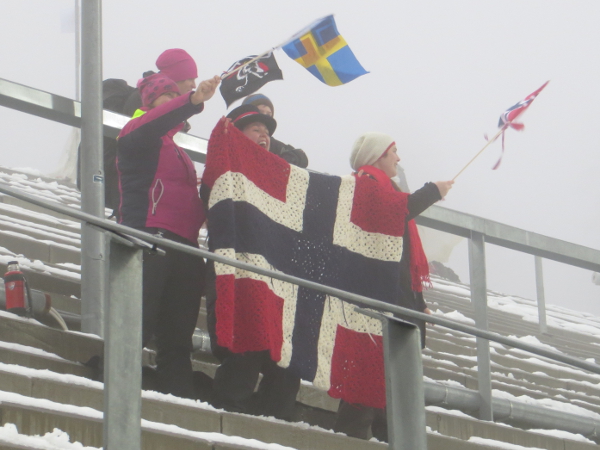
Eine solche Fahne werde ich mir auch häkeln – perfekt: hält auch noch warm, wenn man sie gerade nicht schwenken muss. Auf dem VM-Haugen angekommen waren die letzten Rennvorbereitungen zu beobachten. Wachstechniker und Sportler waren unterwegs und in einem Moment der geistigen Umnachtung frage ich eine beim Anblick eines Läufers hektisch werdende Norwegerin, wer das denn sei. Sie starrt mich vollkommen entgeistert an und meint tonlos, aber doch indigniert: „Petter Northug?!“ Ich bin weit davon entfernt alle zu kennen, aber das war ein leicht zu vermeidender Fauxpas: solche Hektik lösen nur Northug und Sundby aus, letzterer hat einen Vollbart, der Herr vor uns nicht. Ich sag ja, durchwachte Nacht.

That could be my next project: crochet my own flag like this, it’s perfect: in moments where you don’t have to wave it around, it doubles as a warm plaid. When I had reached VM-Haugen I witnessed the last preparations before the race. Technicians and sportsmen alike were on the tracks. A woman next to me got all hectic when spotting one of the Norwegian skiers and in a moment of mental derangement I ask her who this would be. She’s absolutely flabbergasted and stares at me silently for a few seconds before she replies soundless, yet clearly indignant: „Petter Northug?!“ I do not at all fancy myself as the know it all but this was a faux-pas I could have avoided easily: that kind of excitement can only be caused by Northug or Sundby, the latter having a beard, the former, currently in front of us, does not. Little sleep, is all I’m saying.

HOL8

Diese „Pärchen“ habe ich eine Weile beobachtet. Stellen sich zusammen an der Abfahrt auf, zwei, drei Stockstöße, gehen in die Abfahrtshocke… und halten Händchen. Letztlich bin ich zu der Überzeugung gelangt, dass es unterschiedlich gewachste Ski sein müssen und man auf die Art und Weise feststellen will, welches Wachs für die Abfahrten unter den gegebenen Bedingungen schneller ist. Es bleibt jedoch bei einer Vermutung. Bald wird klar, dass ich einen idealen Standort für Fotos gewählt habe. Theoretisch.

I watched these couples for a while. They get in the position next to each other, push two, three times, get in the tuck position… and hold hands. I finally decided it must be about different waxes on the skies and that this is the way to find out which one works better downhill under the given conditions. This remains an assumption, though. Soon I realize that I have chosen a perfect spot to take pictures. Theoretically.

HOL14

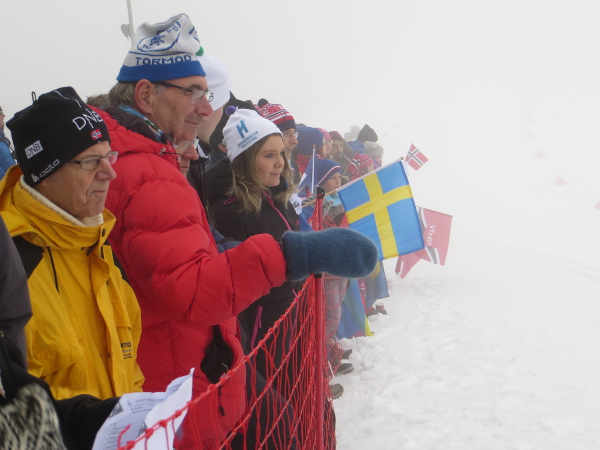
Und alle sind bereit, überall – durch den Nebel hört man die vielen Zuschauer an anderen Ecken (die Zielgerade mit der großen Tribüne ist auch nicht weit weg), unzählige Lagerfeuer am Rande der Strecke verbreiten den charakteristischen Duft, Kinder versuchen unentwegt, die Aufmerksamkeit der an einem Stahlseil über uns hinwegsausenden Kamera auf sich zu ziehen, die Kuhglocken stimmen ihr Konzert an, die Zahl der Fahnen scheint die der Zuschauer noch zu übertreffen, auch ohne Lagerfeuer wird gelagert: auf Isomatten, mit Thermoskannen voll dampfenden Kaffees (??) und bevorzugt in Norwegerpullis.

Everybody is ready – everywhere – we can hear spectators in other parts through the fog (the home stretch with the large tribune is not far away, either), numerous campfires by the track effuse the characteristic smell, the children try incessantly to get the attention of the camera that is suspended above our heads and zooming back and forth, there’s a cacophony of cowbells of all sizes, the number of flags seems to outnumber the people present, and there are also camps without campfires: on sleeping pads, with thermos jugs of steaming hot coffee (??) and „campers“ preferably clad in traditional Norwegian knit sweaters.
HOL12

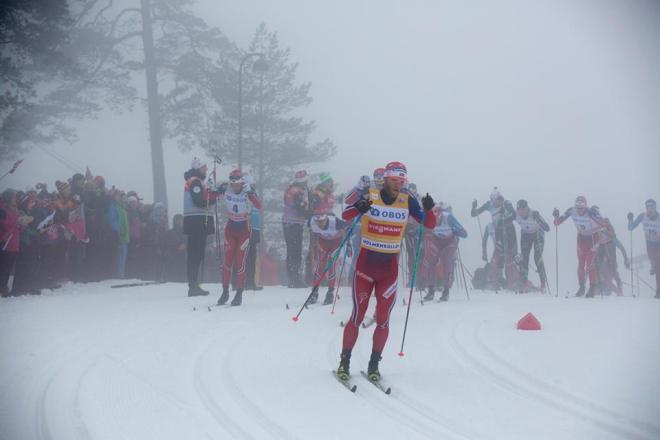
Dann hören wir den Startschuss und ein Riesengetöse geht los, erst unspezifisch, aber als die Läufer dann wenig später auf Augenhöhe sind, wird es ein vielstimmiges „Heia, heia, heia!!“ – und zwar mit voller Kraft. Achtung: norwegischer Bartträger in Führung… und ich bin auf diesem Foto auch zu sehen… spielen wir ein wenig „wo ist Walter?“

Then we hear the starter’s gun and all hell breaks lose, first sort of nonspecific but when we are eye to eye with the contestants only moments later, it develops into a many-voiced „Heia, heia, heia!“ – at full force. Attention: Norwegian with a beard in front! You can see me on this picture as well… let’s play a round of „Where is Walter?“
wo ist barbara

Photo credit: Magnus Nyløkken, as found on Holmenkollen Skifestival Facebook page

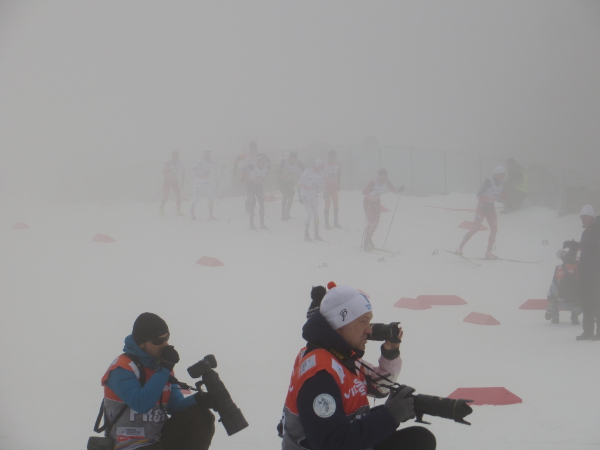
Und WUSCHSCHSCHSCH sind alle vorbei und ich denke… okay. Die werden vielleicht sowas wie 5 Runden à 10 km laufen? Dann kann das ja noch dauern, bis wieder was los ist. Doch falsch gedacht! Erstens sind die Runden kürzer und zweitens bin ich, dank Ole aus Narvik, ja an einer Art Kreuzung, wo ich vier Bahnen in unterschiedlichen Richtungen einsehen kann. Bei besserer Sicht vielleicht noch mehr?! Und so kommen sie bald wieder, die Männer im Nebel.

And WHOOOOSHSHSHSHSH they are all gone again and I think… okay. Maybe they go 5 rounds of 10km each? So it will take a while before we see anything again. But wrong – again! For a start, the rounds are shorter and then I have chosen a spot, thanks to Ole from Narvik, where there’s a sort of intersection of tracks, where I can see parts of four different tracks in different directions. Maybe even more on a sunny day? Anyhow, very soon they come again, the Men in the Mist.
HOL7

Es wird von Minute zu Minute interessanter: die Gesamtgruppe zerfällt bald, so dass letztlich in irgendeiner Richtung immer irgendwer vorbeikommt und ich bald (vorübergehend) nicht mehr mit „Heia, heia, heia“ schreien kann, weil die Stimmbänder es nicht mehr hergeben. Und es bleibt spannend, erst führt eine Vierergruppe, zum Ende ein Duo. Bei den Frauen (30 km) am Sonntag war es den Ausgang des Rennens betreffend gähnend langweilig: Therese Johaug hatte schon bei der zweiten Sichtung einen deutlichen Vorsprung und dann im Ziel sowas wie knapp 4 Minuten.

It gets more and more interesting by the minute: the starting field soon breaks up in different groups so that basically someone is passing at any given moment and very soon I have to (temporarily) abstain from routing „Heia, heia, heia“ because the vocal chords don’t have it in them any longer. The race remains exciting, first a group of four is in the lead, later reduced to two. It was a whole different situation during the women’s 30km on Sunday which in that respect was a bit of a yawn: Therese Johaug already had a sizeable lead when we saw her for the second time and was ahead of the field by almost four minutes at the end.

HOL17

Aber, und sowas finde ich immer gut: die Anfeuerungsrufe beschränkten sich nicht auf die Norweger. JEDER wurde angefeuert. Naja, bei 12 Norwegern oder so im Startfeld war zugegebenermaßen auch fast immer einer dabei. Ich habe einen Haufen Kinder irritiert, wenn ich die Deutschen explizit mit „Hopp, hopp, hopp!“ angefeuert habe… das ist norwegisch für „Spring, spring, spring!“ Das konnten wir mithilfe der Mama jedoch aufklären. Spätestens nach dem Rennen war mir klar, welche Bedeutung dieses Event hat: für 15:25 Uhr war der Beginn des Laufs der Nordischen Kombinierer angesetzt (den Wettkampf hat immerhin auch ein Norweger gewonnen!!) und für 16:00 Uhr das Mannschaftsskispringen. Aber das After Ski-Event im großen Zelt begann um 15:30 Uhr. Der Tag war mit dem 50km-Rennen für viele – die meisten? – vorbei.

But this is what I really like (wherever it happens): the loud support wasn’t only there for the Norwegians. EVERYBODY got support. Well, with 12 Norwegians in the starting field one of them was practically always present! I confused a bunch of kids when I gave special support to the Germans by shouting „Hopp, hopp, hopp!“… that is Norwegian for „Jump, jump, jump!“ But we could clarify that with the help of their Mom. I had always known that the cross country races are the most important in Norway – but it was only after the race when I realized just how important they are. The race of the Nordic Combined event (won by a Norwegian, too!) was scheduled to start at 3:25, the competition of the specialized ski jumpers at 4:00. But the After Ski-Event in the big party tent started at 3:30. The day was over for many – most? – specatators after the 50km race.

HOL16

Dieser slowenische Skisprungfan harrte noch länger aus als ich, als der Wettkampf unterbrochen wurde. Ich entschied, nicht länger blind im Regen stehen zu bleiben – nur um dann die Springer gerade mal im Auslauf sehen zu können. Was ein Glück ist, sonst würde dieser Beitrag ja komplett den Rahmen sprengen. Kurz zusammengefasst: wer ist dabei vom 10.-12. März 2017??

This fan of ski jumping from Slovenia stayed on a bit longer than I did. When the competition was suspended I decided not to stand in the rain staring into the fog any longer – only to see the jumpers leaving the arena anyway. Which is a relief or else this post would really be too much! In a nutshell: who will join me from March 10-12 2017??

Barbara

PS.: Der Vollständigkeit halber (und mehr für mich selbst) der Link zu einer Zusammenfassung der 50km.
Another Day in… OSLO!

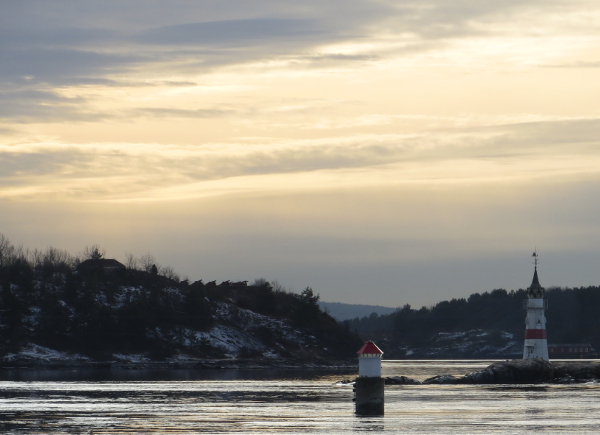
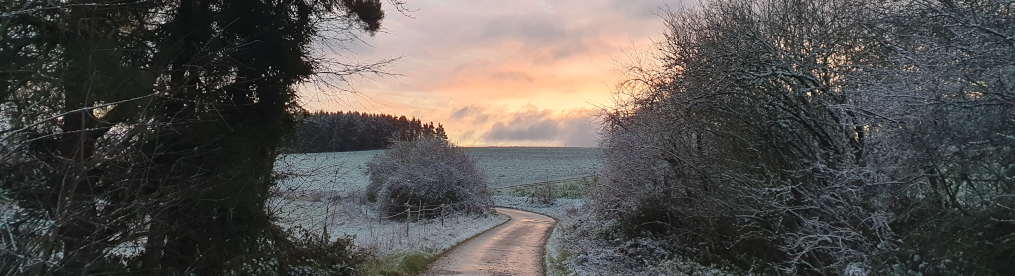
HPRO3Auch heute wieder Morgenstimmung am Oslofjord… dabei war das noch nicht mal mein Startpunkt. Ich bin am Rand des Stadtteils Grünerløkka untergekommen, der mir aus der Ferne vorkam wie eine Mischung aus Kreuzberg und Poppelsdorf. Das musste ich mir dann auch mal näher ansehen – und ja, das kann passen. Und vor der Abreise muss ich auch nochmal zu Kaffeebrenneriet, wo mir klar wurde, dass auch das Rheinland bleibende Einflüsse in Norwegen hinterlassen hat:
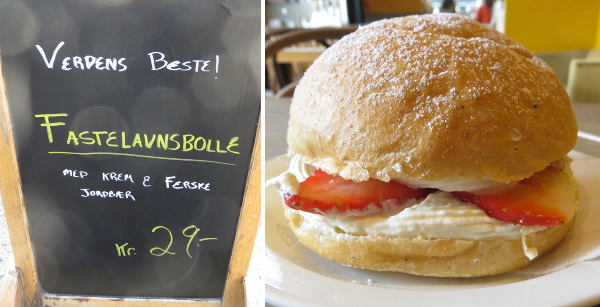
Another „early“ morning shot of the Oslo fjord… and it wasn’t even where I started out. I stay in a place on the outskirts of the Grünerløkka neighborhood and when I looked into it from back home I imagined a neighborhood somewhere between Berlin-Kreuzberg and Bonn-Poppelsdorf. So I had to have a closer look at it and yes, pretty much so. And before I leave, another visit at Kaffebrenneriet is necessary as it was there that I realized that somehow the Rhineland left a lasting impression in Norway, too: [in the Rhineland during carnival season, which is now, there are all kinds of traditional baked goods to be had, usually fried, though. And in the dialect there, carnival is not Karneval but Fastelowend. I find that incredibly close to the Norwegian Fastelavn…]

FAST

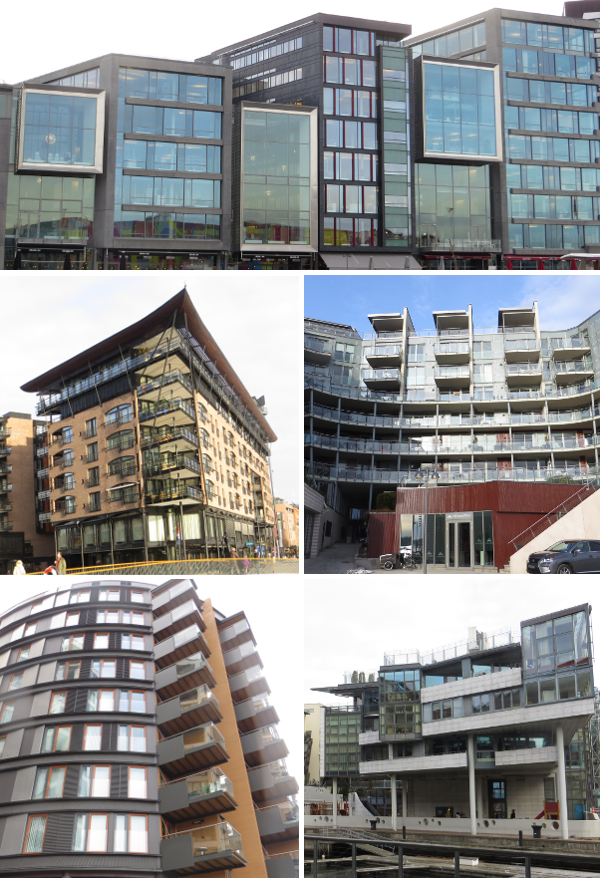
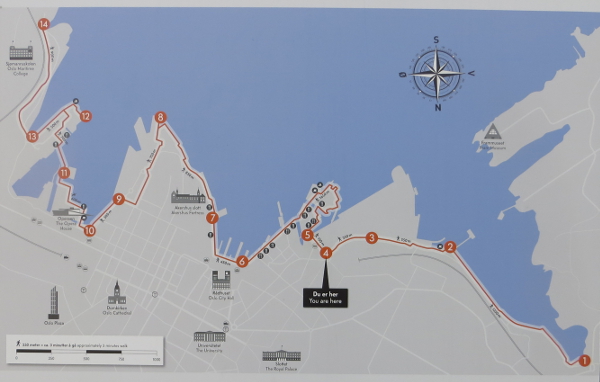
Oh, und ja: lecker! Eigentlich wollte ich dann den Fluss Akerselva entlangspazieren, u.a. durch Überreste der Industriegeschichte Oslos. Das ließ sich dann wintertechnisch allerdings doch sehr trostlos an und ich entschied um: auf nach Aker Brygge, ein ehemaliges Hafengelände, das nun Museen, schicke Wohnungen, Restaurants und Büros zu bieten hat. Ein, wie es heißt, gelungenes Beispiel für Waterfront Redevelopment. Ich bin in irgendeine Bahn gestiegen und gefühlt in der Nähe ausgestiegen (die Vorteile eines Wochentickets) und „immer abwärts zum Wasser“ gegangen. Das hat dann auch funktioniert. Und Überraschung: ich kam bei Punkt 4 der mir bis dahin unbekannten, insgesamt 9km langen Oslo Hafenpromenade an.

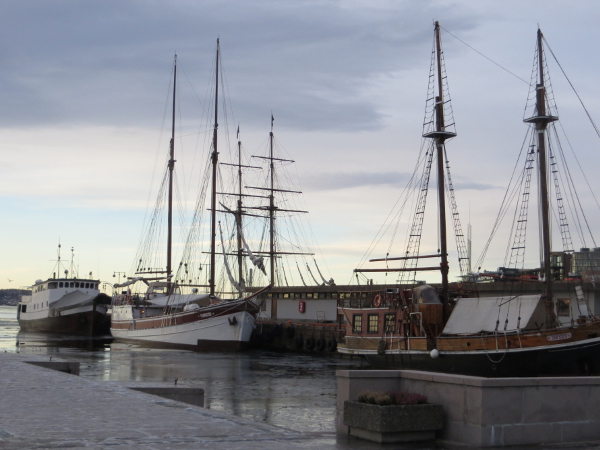
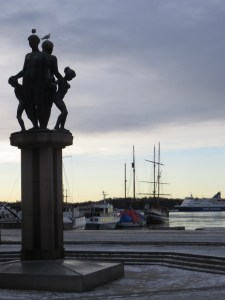
Oh, and yes: yummy! I had planned on strolling along Akerselva river to have a look at remnants of Oslo’s history as an industrial city (among other things). It turned out to be too bleak in winter after all and I changed my mind: let’s go to Aker Brygge, a former industrial port area that now houses museums, fancy apartments, restaurants and office space. Apparently, a successful example for waterfront redevelopment. I just hopped on a tram and got off somewhere that felt near (the advantages of having a weekly pass) and just „went downhill“ as that must be where the water is. That strategy worked well! And surprise: I reached the area at point 4 of the Oslo Harbor Promenade – 9km long in all.

HPRO1

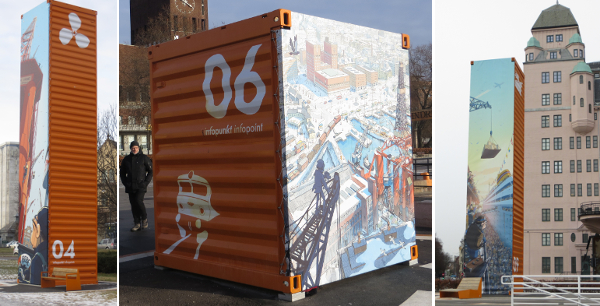
Damit war der Tag gebucht: Teil 1-3 knicken wir und gucken, wie weit wir mit dem Rest kommen. Und es wurde auch wirklich absolut unmöglich, diese „Info Points“ entlang der Strecke zu verpassen:

So suddenly it was crystal clear how the day was going to be spent: I’ll skip parts 1-3 and just see how far it will take me on the rest. It was obvious that it was 100% impossible to miss any of the sollowing „info points“ along the route:

HPRO2

Aker Brygge ist nur ein Teil der gesamten „Neuordnung“ Oslos am Wasser gelegener Bereiche. Erste Nutzungsänderungen und die damit einhergehenden Baumaßnahmen begannen schon in den 1980ern. Der Containerhafen wurde/wird komplett verlegt, Straßenbahnlinien werden angepasst (auch in den Parallelstraßen zur Karl Johans gate waren großräumige Bauarbeiten zu beobachten ob die wohl dazugehörten?), die E 18 ist in einen Tunnel verlegt, das neue Opernhaus steht schon, die neue Nationalmuseum ist derzeit ein riesiger Krater zwischen Tjuvholmen und dem Rathaus… warum das nicht abgerissen wird?! Wahrscheinlich steht es unter Denkmalschutz. In dieser Kante zuletzt fertiggestellt sind die neuen Gebäude auf Tjuvholmen – „schöner wohnen“ passt da schon mit Blick auf den Fjord.

Aker Brygge is only part of a complete rearrangement of Oslo’s waterfront. The first changes in use and the accompanying buildings are from the 1980’s already. The container port was/will be relocated, tram lines are rerouted and extended (I saw major construction efforts in streets parallel to Karl Johans gate – maybe that was related?), the E18 highway is already undergroud, the new opera is already up and functioning, whereas the National Gallery is currently a crater equipped with three or four tower cranes between the Tjuvholmen redevelopment and the City Hall… I wonder why that is left standing?! Probably because it’s listed. In this part the latest finished projects are the new buildings on Tjuvholmen – those balconies facing the fjord do have quite an appeal!

HPRO4

Ich habe mich mal bei der Seite von Port of Oslo umgesehen – und den Internetauftritt der Stadt Oslo hinzugezogen. Das Projekt Fjord City umfasst 2.260 km² und alle Maßnahmen sollen bis 2030 beendet sein. Spätestens dann nochmal vorbeikommen? Die Oper an Punkt 10 der Promenade konnte mich allerdings nicht überzeugen. Und deswegen habe ich sie unterbewusst wohl auch nur halb abgelichtet.

I had a look at the Port of Oslo’s website and also at the City of Oslo. The project Fjord City spans 2,260 km² / 873 sq.miles and all sub-projects are to be completed by 2030. So I’ll have to be back then at the latest? I reached info point 10 and the opera… a building I didn’t find convincing at all. That’s probably why I subconsciously took a picture only of half of it.

HPRO5

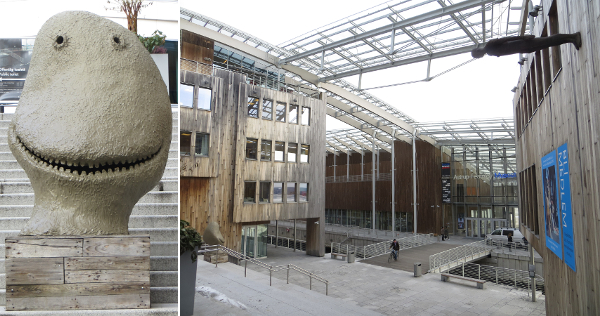
Dann schon eher, Schritt zurück, das Gebäude des Astrup Fearnly Museums auf Tjuyholmen.

I liked the Astrup Fearnly Museum on Tjuvholmen much more:

HPRO6

Dann (also an der Oper) habe ich die Route beendet und bin wieder in die Innenstadt… denn ich hatte mich überzeugen lassen, für das anstehende Wochenende noch wollende Unterwäsche zu besorgen. Das war auch gut so! Morgen seht ihr dann, warum.

At the opera I got off the harbor promenade and returned to the stores… I had been persuaded it was a clever move to buy woollen underwear for the weekend. Which turned out to be true! Tomorrow you’ll see why.

Barbara

A Day in… OSLO!

OSL1_7

OSL1_5Es fallen mir immer mehr gute Gründe ein, in Skandinavien leben zu wollen: im Winter kann sogar ich Langsamstarter die Morgenstimmung einfangen. Etwa um Viertel nach neun. Und ich habe nie bestritten, dass sie schön ist. Nur um das nochmal klar gestellt zu haben.

I come across more and more good reasons why I would want to live in Scandinavia: in winter even a slow starter like I am can be up to catch the morning atmosphere. At about quarter past nine. And just so you know: I never said it wasn’t nice.

Dabei wäre ich ja eigentlich noch früher losgekommen (auch wenn sich die Frage stellt: wozu?), aber über dem Frühstück kam es noch zu einem Schwätzchen mit meinem Gastgeber – ich wohne in einem Zimmer bei Ingrid und Morten, meine erste airbnb-Erfahrung. Es wird nicht die letzte gewesen sein. Morten hatte mir noch erläutert, dass das meiste mehr oder weniger fußläufig erreichbar ist. Mit Blick auf das maximal viertägige Programm am Holmenkollen habe ich allerdings ganz untypisch eine Wochenkarte für den ÖPNV gekauft (ca. 24€). Und so bin ich an diesem ersten Morgen ganz schnell am Rathausufer und auf dem Weg zu meiner ersten Erkundung, der Akerhus Festung.

And really, I would have been out and about even sooner (even though the question does arise: what for?) but over breakfast I got into talking with my host – I stay with Ingrid and Morten, my very first try with airbnb. It won’t be the last, I can say that much. Morten had explained that more or less all the interesting parts can be reached on foot. But with view of my possibly 4-day program at Holmenkollen I bought a weekly pass for the public transport system (ca. 24€) from the start, very unusual. So it happens that I reach the harbor near the city hall really quickly. From there I went to start out exploring Akerhus Fortress.

OSL1_8

Die Festung hat eine beeindruckende Größe und man kann ihre Entwicklung seit den ersten Bauwerken von um 1300 auf dem „Fortress Trail“ nachvollziehen. Errichtet als Palastburg von Håkon V. wurde sie im 17. Jahrhundert im Renaissance-Stil umgebaut. Das Schloss ist allerdings, ihr ahnt es schon, nur im Sommer zu besichtigen. Teile der Anlage haben auch eine Geschichte als Gefängnis, erstmalig in 1652, geschlossen letztlich 1950. Ein deutsches Militärgefängnis war es ebenfalls von 1940-1945. Mit dem Teil der Geschichte befasst sich das auch innerhalb der Festungsmauern gelegene Hjemmefrontmuseet (Widerstandsmuseum). Da kamen mit mir allerdings ca. 30 pubertierende Schüler an, so dass ich lieber weiter zog.

The fortress is of impressive size and if you do the „Fortress Trail“ you can follow its development from the first buildings of about 1300 to today. It had originally been a fortress palace built by Håkon V. and was renovated in renaissance style in the 17th century. The palace itself, say it out loud along with me, is open only in summer. Parts of the complex have a history as a jail – starting in 1652 it was only finally shut down in 1950. It had also been a German military prison from 1940-1945. This part of history is also the subject of the Hjemmefrontuseet (Resistance Museum). I got there just in time to see 30 pubescent students walk in and decided to move on.

OSL1_3

Im Dezember 1998 war ich schon mal in Oslo (sprich: Uschlu) gewesen – aber ich erinnere mich an fast nichts mehr. Das königliche Schloss in ganz dünnem Licht… das Munch-Museum. Aber damit hat es sich auch schon. Also alles nochmal auf Anfang. Im Zentrum verläuft die schnurgerade Karl Johans gate, im wahrsten Sinne des Wortes die Königsallee Oslos, vom Hauptbahnhof auf das Königliche Schloss zu – und lädt zum Flanieren ein. Und das wirklich in aller Ruhe – selbst an den Imbissbuden ist es eindeutig Nebensaison.

I had been to Oslo (pronounce: ooshloo) before, in December 1998 – but I hardly remember anything from that trip. The Royal Palace in very little light… the Munch Museum. But that’s about it. So I just start from scratch. In the center, Karl Johans gate connects the central station with the Royal Palace in a straight line – it certainly invites for a stroll. And really, in peace and quiet – even the takeaway places clearly are in (s)low season.

OSL1_1

Die Gebäude entlang der Karl Johans gate sind nicht nur (fast) alle wunderschön anzusehen, sie beherbergen neben hochpreisigen Geschäften auch wichtige Institutionen wie das Parlament, das Nationaltheater oder die Universität. Dazu ist sie zur Hälfte Fußgängerzone, zu Hälfte stark verkehrsberuhigt.

The buildings on Karl Johans gate aren’t only nice to look at (most of them), they also house both high-end stores and important institutions such as the parliament, the national theater or the university. For about half of its length it’s a pedestrian zone, the other half has restricted traffic.

OSL1_2

Auch beim Schloss bleibt es beim Blick von außen, denn die 15 Räume, die zu besichtigen sind, sind nur von Ende Juni bis Mitte August zugänglich.

The 15 rooms of the Royal Palace that are open to the public – are just that only from mid-June to the end of August. So I’m left with a view of the outside.

OSL1_6

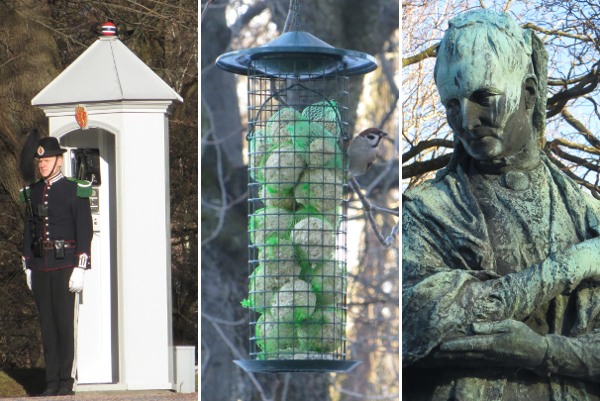
Der Schlosspark wiederum ist jederzeit frei zugänglich – wüsste nicht, wo das sonst der Fall ist an einem der Königshäuser? Auf einer Infotafel wird quasi darum gebeten, auch auf das Gras zu treten und die Bäume zu umarmen – der Park sei da um benutzt zu werden.

The palace park, though, is open for all – at any time. I can’t think of any other royal palace where that is the case? A sign practically asks you to leave the paths and walk on the grass, too, and to hug the trees – the park is there to be used.

OSL1_9

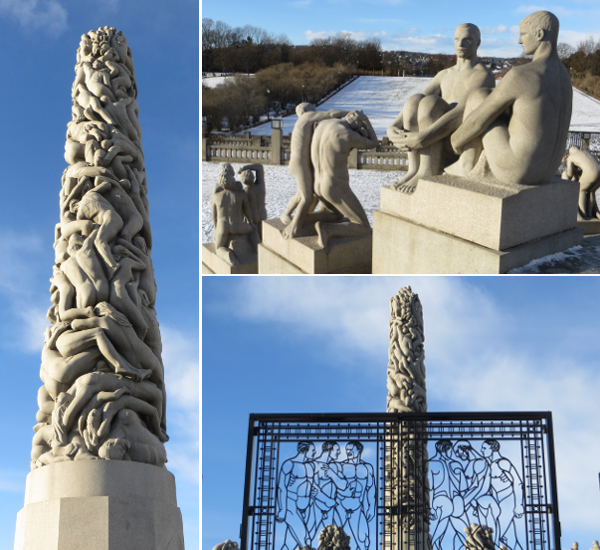
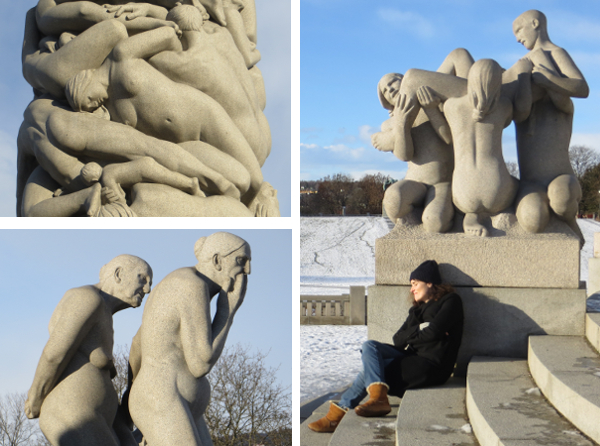
Dann mache ich mich auf zum Vigelandspark, einem Skulpturenpark des Bildhauers Gustav Vigeland (1869-1943), an dem er 22 Jahre gearbeitet hat. Er umfasst etwa 200 Skulpturen, die man an einer 850-Meter langen Achse bewundern kann.

I then move on to Vigeland’s Park which was created by the sculptor Gustav Vigeland (1869-1943) who worked on it for 22 years. The park holds about 200 sculptures most of them along an 850-meter axis.

OSL10

Es ging dem Künstler um die Darstellung aller Phasen des Lebens von der Kindheit bis ins Alter. Mein Reiseführer, den ich mal wieder erst im Nachgang zurate gezogen habe, behauptet, die Figuren seien von der problematischen Kindheit des Künstlers geprägt – und vom schwierigen Verhältis zu seinem Vater. Und zu Frauen erst. Das kann ich nicht nachvollziehen. Schon gar nicht in dieser Absolutheit.

The artist wanted to portray all stages of human life, from childhood to old age. Again, I had a look my guide only later – and was aghast to read that allegedly the work is strongly influenced by Vigeland’s hard childhood and the difficult relationship with his father. And with women. I can’t relate to that interpretation of things – and least of all with such absoluteness.

OSL1_13

Das Zentrum der Anlage ist Monolitten, eine über 17 Meter hohe Säule, um die sich 121 Menschen schlängeln. Sie ist umgeben von 36 Figurengruppen, die Menschen verschiedenen Alters zeigen.

Monolitten is the center of the park, a pillar more than 17 meters high, 121 humans curling around it. The pillar is circled by 36 figure groups representing people in different stages of life.

OSL1_11

Die Sonne lud wirklich zum Verweilen ein…

The sun really made people want to stay and reacharge their batteries…

OSL1_12

Der Tag war noch nicht zuende – aber dazu später mehr! Viele Grüße aus Oslo!

The day wasn’t quite over, yet – but more about that later! Love from Oslo!

Barbara